
Where the Wind Takes You: Casana Hotel Redefines Barefoot Exclusivity in Brazil
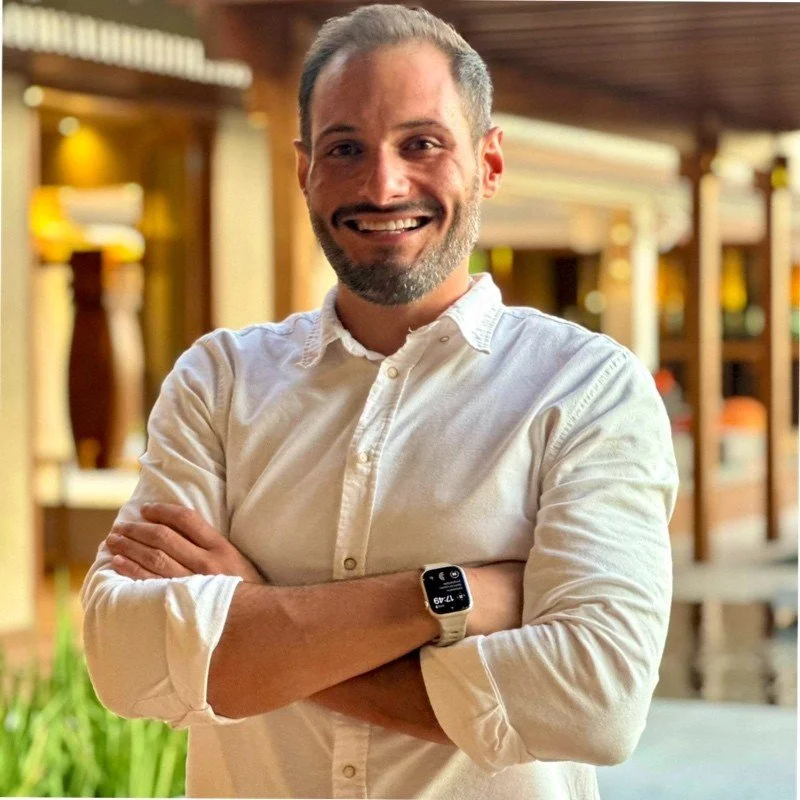
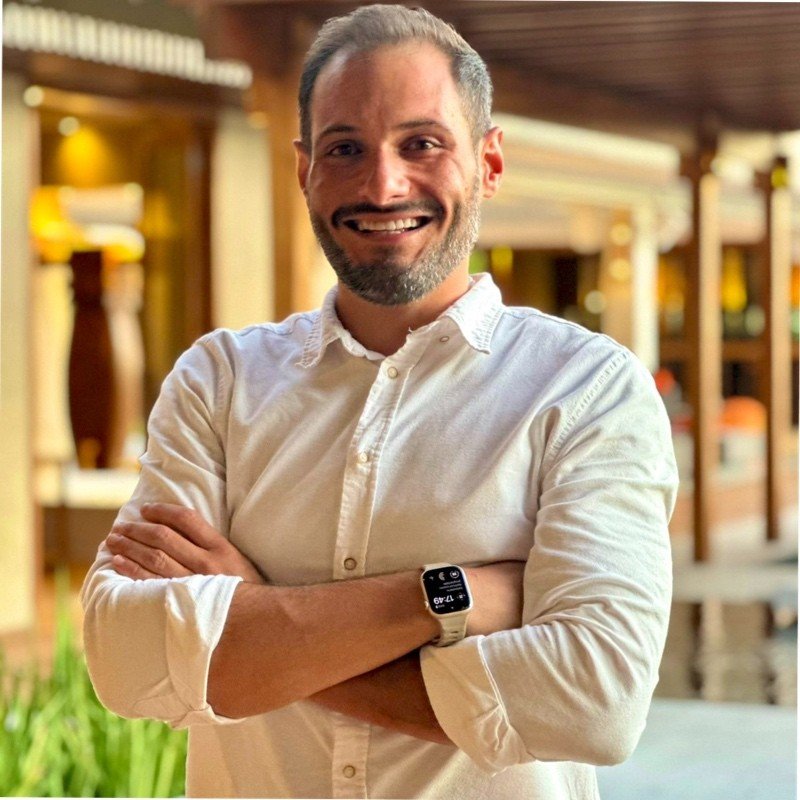
General Manager Gustavo Camargo
calls Casana “a big house delivering ultra-high service.”
By Yousuf Basil
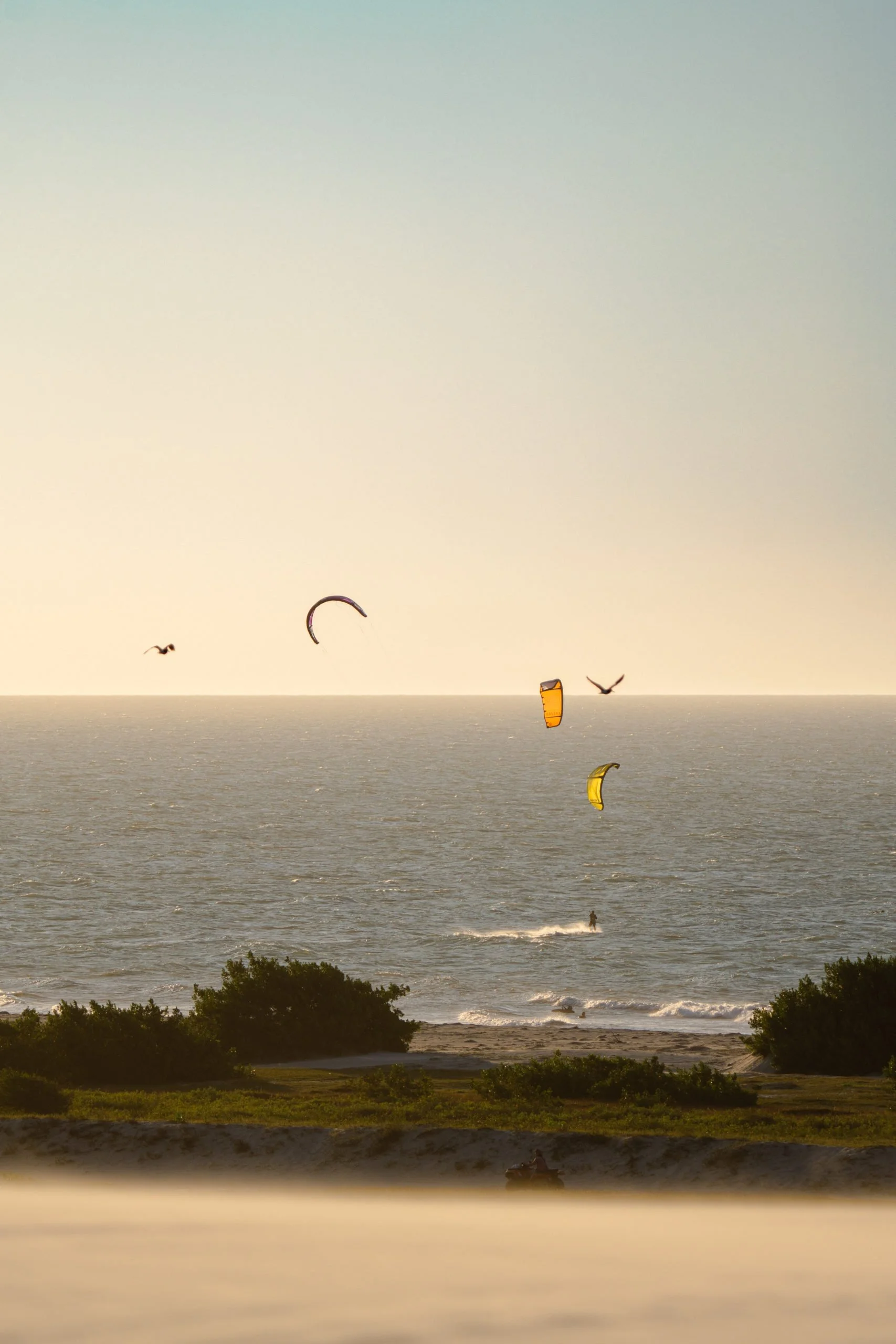
(Mayakoba, Mexico) On Brazil’s remote northern coast—where steady Atlantic winds draw the world’s best kitesurfers—Casana Hotel has turned motion itself into a philosophy of stillness. Here, “kite-in, kite-out” isn’t just a sport; it’s the rhythm of an ultra-luxury escape that pairs adrenaline with absolute serenity.
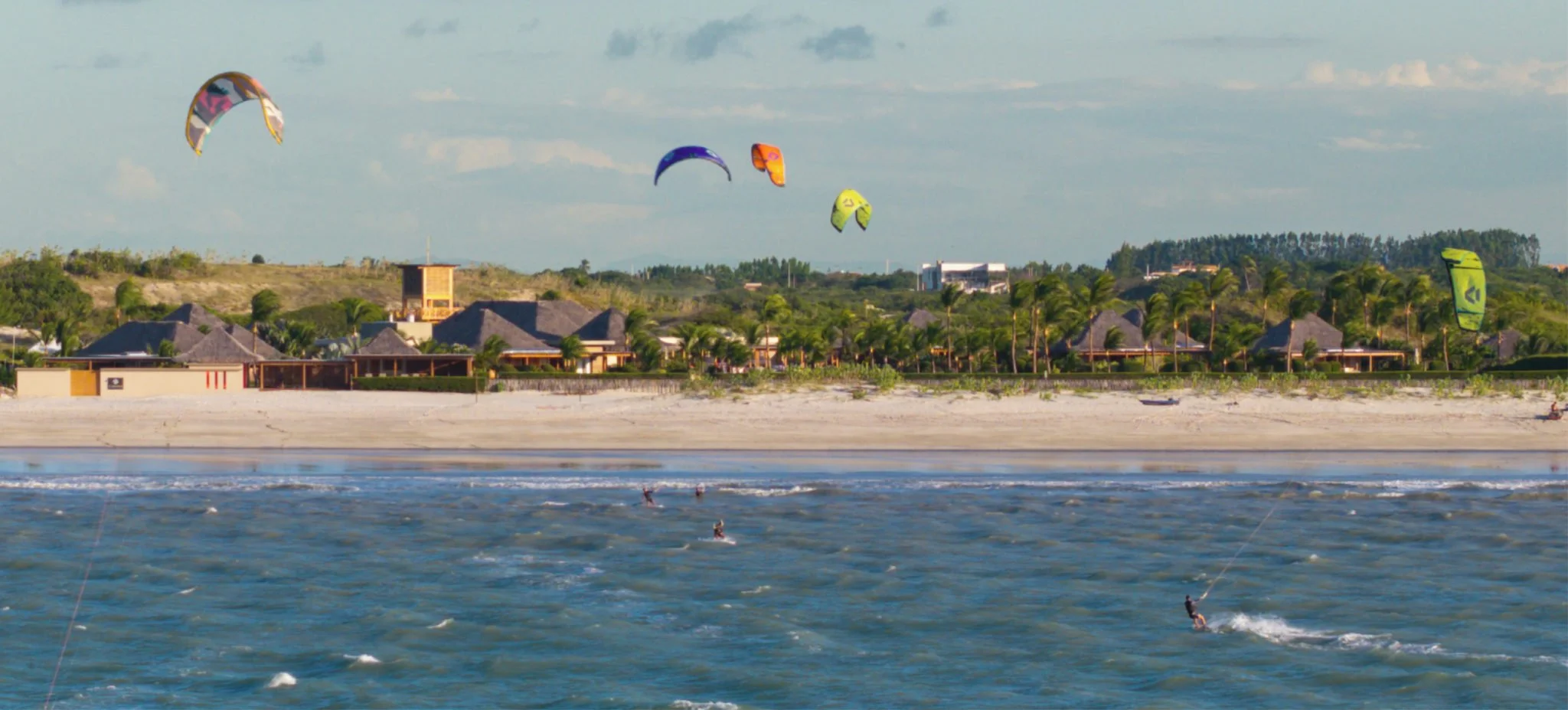
Casana’s Beach
Casana’s focus on wellness, health, and personalized living appeals as much to families and wellness travelers as to seasoned globetrotters used to brands like Aman and Six Senses.
A Haven Between Sea and Sky
General Manager Gustavo Camargo calls Casana “a big house delivering ultra-high service.” With just eight bungalows and 88 staff members—nearly five for every guest—the property embodies handcrafted exclusivity. Guests step from their suites directly onto the sand, where the hotel’s private kite school waits to launch them into the surf within minutes.
Yet adventure is only part of the story. Casana’s focus on wellness, health, and personalized living appeals as much to families and wellness travelers as to seasoned globetrotters used to brands like Aman and Six Senses.
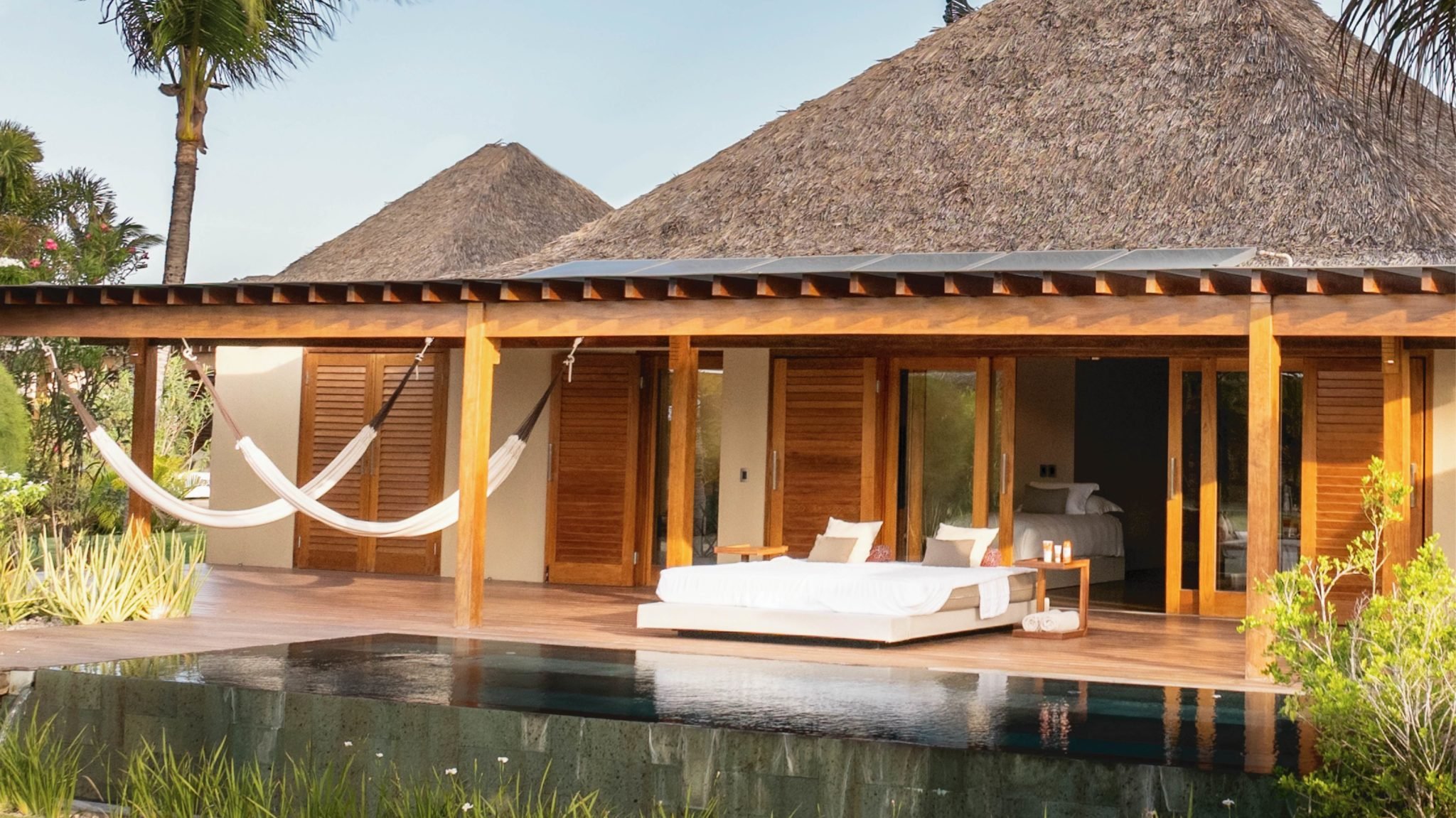
Casana Suit
Ninety-five percent of Casana’s team comes from nearby villages, a point of deep pride for Camargo.
Luxury Rooted in Community
Ninety-five percent of Casana’s team comes from nearby villages, a point of deep pride for Camargo. “We’re there to give our best—but we also give it back,” he says. Through the hotel’s foundation, Casana provides education, environmental programs, and language training in English, Spanish, and French, allowing locals to build hospitality careers without leaving their home region. The hotel’s “Great Place to Work” certification underscores how seriously it takes both staff wellbeing and service excellence.
Personalization as Art Form
Casana does not accept walk-ins. Bookings are made three to six months in advance so the team can learn every detail about a guest—interests, favorite art, music, and even scent preferences. Each arrival is met with a curated environment: a Picasso fan might find subtle décor that nods to the artist; classical-music lovers could walk into their bungalow with their favorite composer already playing.
A dedicated “hosting team” —part concierge, part butler —crafts a daily agenda around those insights. Yoga at sunrise, a boxing session at noon, a private tasting at dusk; guests never have to ask.
Dining Without a Menu
Casana’s gastronomy mirrors its ethos of spontaneity and soul. There’s no fixed menu. The chef consults each guest, creating meals from locally sourced ingredients—often cashew, the region’s emblematic fruit—and pairing them with the day’s freshest catch. Guests are invited into the open kitchen to cook alongside the chef, sip wine at the communal table, and watch each course come to life.
“We want it to feel like your home,” Camargo explains. “Except your home now faces the ocean.”
The culinary team is refining its techniques in pursuit of a Michelin Star, an unusual ambition for a property that hosts only 14 guests at a time.
General Manager Gustavo Camargo
“They wish the hotel were their home,”.
A Day in Paradise
Camargo describes his ideal itinerary for a close friend: breakfast in the garden with tropical fruit and fresh coffee; a kitesurf session across emerald water; a buggy ride through Lençóis Maranhenses National Park, tracing dunes and lagoons to watch the sun dip behind the horizon. The day ends with an oyster-and-champagne bar, an eight-course tasting menu rich with local flavors, and finally an outdoor cinema projected beside the bungalow—waves as the soundtrack.
More Than a Stay—A State of Being
Casana’s guests often tell the staff they don’t want to leave. “They wish the hotel were their home,” Camargo says with a smile. “That’s when we know we’ve done it right.”
At Casana Hotel, luxury is about immersion. Between wind and water, service and soul, this barefoot Brazilian hideaway gives you a unique experience to indulge in the escape.
From Oslo to Copenhagen: How Nordic Hotels Are Redefining Luxury
The Thief
By Yousuf Basil
At TFest 2025 in Mayakoba, where the world’s leading voices in luxury travel gathered to explore connection and conscious hospitality, two Scandinavian hotels stood out for something many travelers crave but rarely find: a genuine connection to place.
The Thief in Oslo and Villa Copenhagen in Denmark’s capital offer a distinctly Nordic vision of luxury — artful, sustainable, and shaped by the culture around them. These are hotels where guests engage with the city’s art, cuisine, people, and rhythm. The effect is grounding and intimate, inviting travelers to feel part of the destination rather than merely passing through it.
Both properties share a common thread: they sit under the creative, culture-driven ownership of Peter A. Stordalen — the Norwegian hotelier and contemporary art collector whose personal pieces are displayed throughout The Thief, shaping its cultural identity as much as its design.
Luxury Revealed: The Thief, Oslo
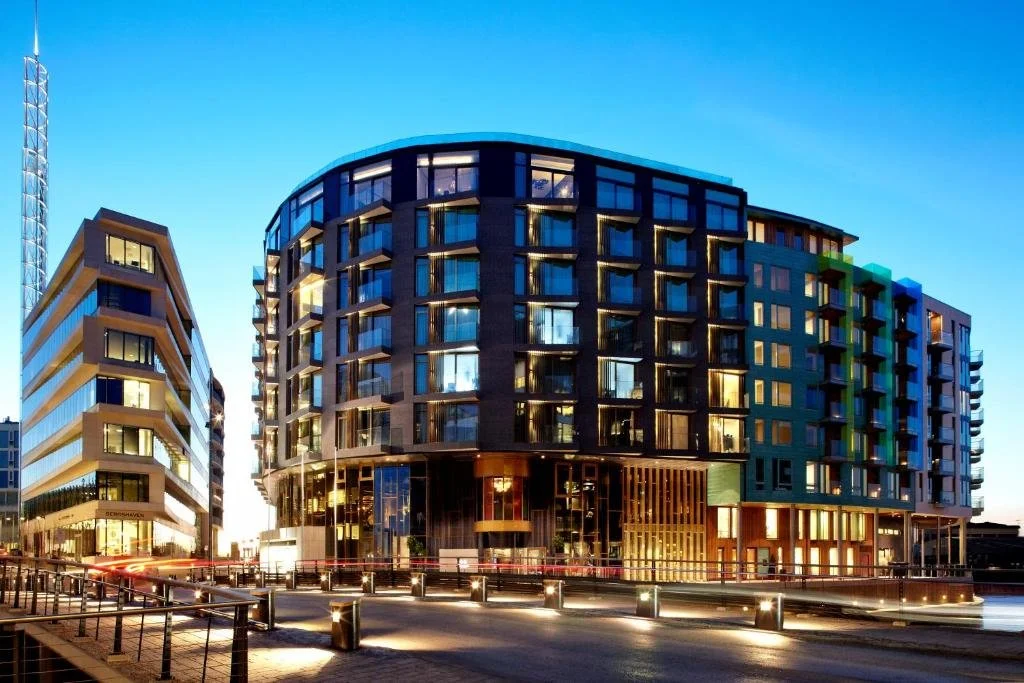
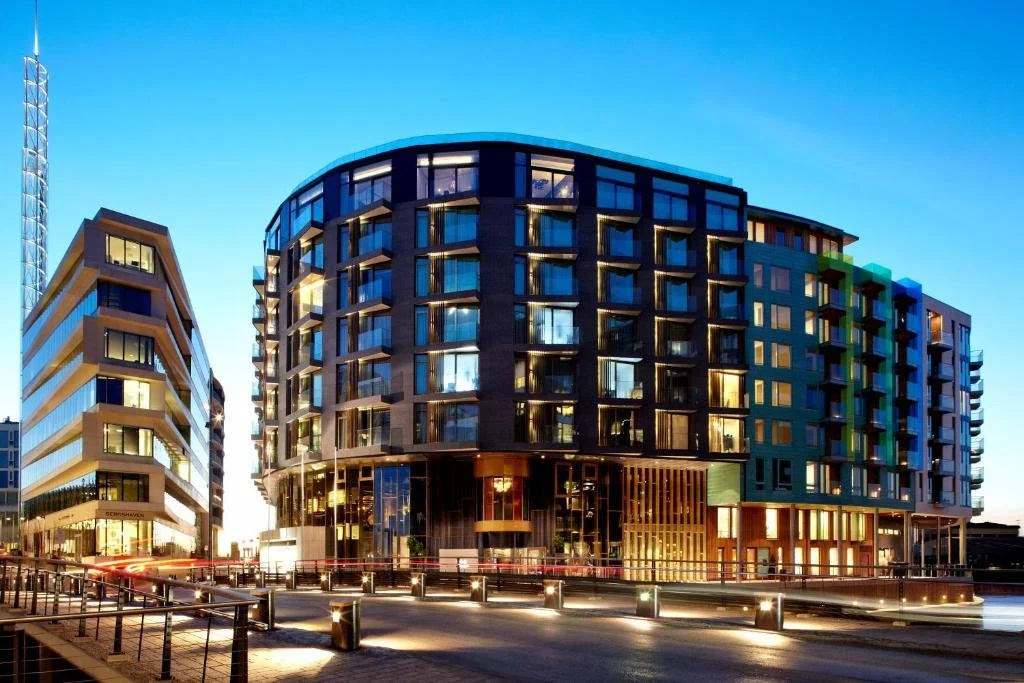
On Oslo’s Tjuvholmen peninsula — once a hideout for smugglers and outcasts — stands a hotel that has transformed its storied past into something extraordinary. The Thief, named for its location (“Tjuvholmen” means Thief Islet), now steals guests away from the ordinary and into an art-soaked sanctuary of contemporary refinement.
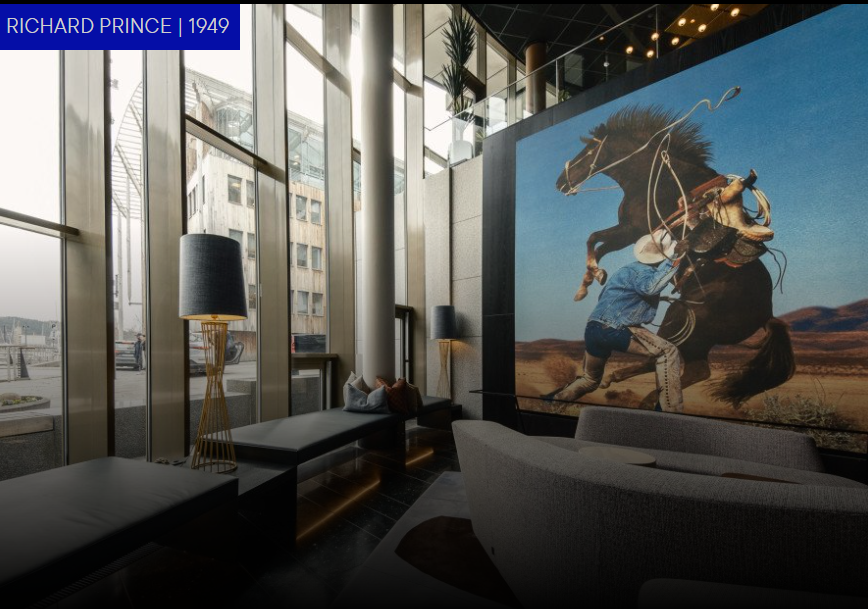
The Astrup Fearnley Museum — designed by Italian star architect Renzo Piano — sits just steps from the hotel as its nearest neighbor, and its influence resonates throughout The Thief’s curated collection of bold, international contemporary art. Works by global icons including Richard Prince, Antony Gormley, Damien Hirst, and Nate Lowman infuse the halls with a museum-like presence.
Highlighted Works in The Thief’s Collection
Richard Prince 1949
• Untitled (Cowboy), 1999 — Richard Prince
A deconstructed Marlboro advertisement, stripped of its text and mythology, revealing the grainy artifice behind America’s cowboy iconography.
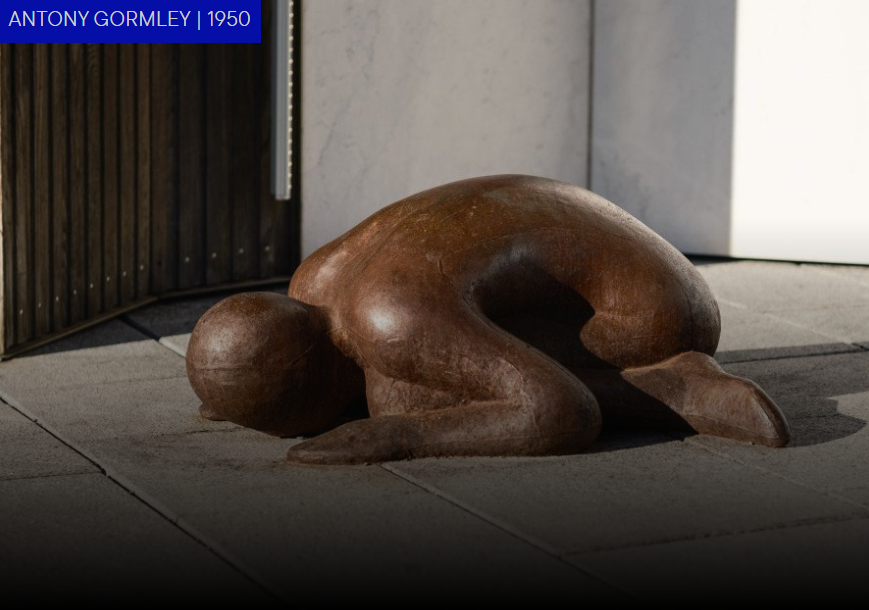
• Draw, 1995 — Antony Gormley
A cast-iron body based on Gormley’s own form — grounded, heavy, and evocative of surrender, humility, and raw human physicality.
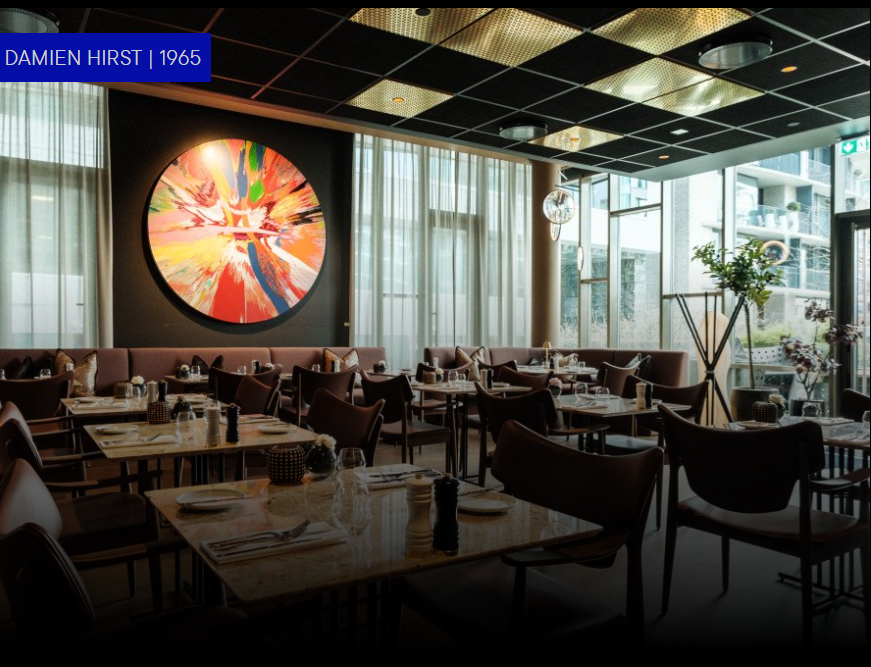
1997 — Damien Hirst
• Beautiful, amore, gasp, eyes going into the top of the head and fluttering painting, 1997 — Damien Hirst
A vibrant centrifugal burst of color from Hirst’s celebrated Spin Painting series — pure movement, randomness, and joy.
1997 — Damien Hirst
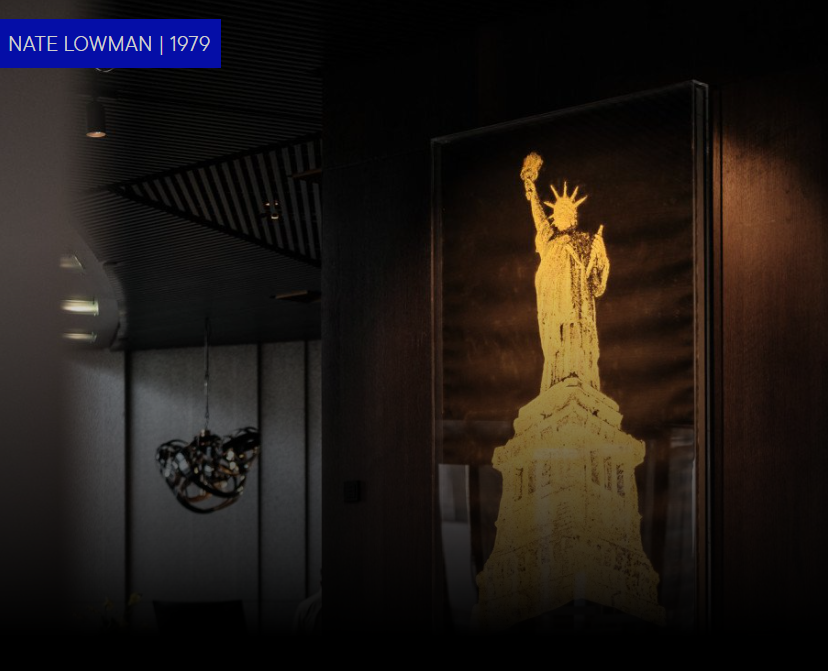
• Statue Painting, 2011 — Nate Lowman
A layered, narrative-rich commentary on pop culture, violence, and contemporary American storytelling.
Hospitality with an Edge
“We treat rockstars as guests, and guests as rockstars,” said Marianne Frostad, Director of Sales. “We swear by quality, focus on details, and stretch ourselves to surprise you — that’s how we create hotel experiences.”
Menus at the hotel reflect this philosophy as well. Nordic ingredients meet international flair — ‘Nordic nods and global winks’ — served with a side of surprise, whether for lunch, dinner, or afternoon tea.
“The Thief is a lifestyle luxury hotel built on a philosophy of sustainability and local qualities,” Frostad added. “Most of our guests come from all over the world, and we want them to feel both cared for and captivated.”
The rooftop terrace overlooks the Oslo fjord, where guests can swim, explore the floating saunas, or cruise the islands. The Thief is more than a hotel — it’s a living gallery and a love letter to Oslo.
Conscious Luxury: Villa Copenhagen
Across the Øresund Strait, Villa Copenhagen offers a different interpretation of Nordic luxury -
relaxed, warm, and rooted in responsibility. Located in the former Post & Telegraph headquarters, right next to Tivoli Gardens and the central train station, the hotel has found a natural balance between historic architecture and modern values. Sustainability is deeply integrated into the day-to-day operations. “Everything - from our food to our partnerships - reflects sustainability and awareness,” said Cecilie Philipson, Senior Sales Manager. “For us it’s all about creating luxury responsibly.”
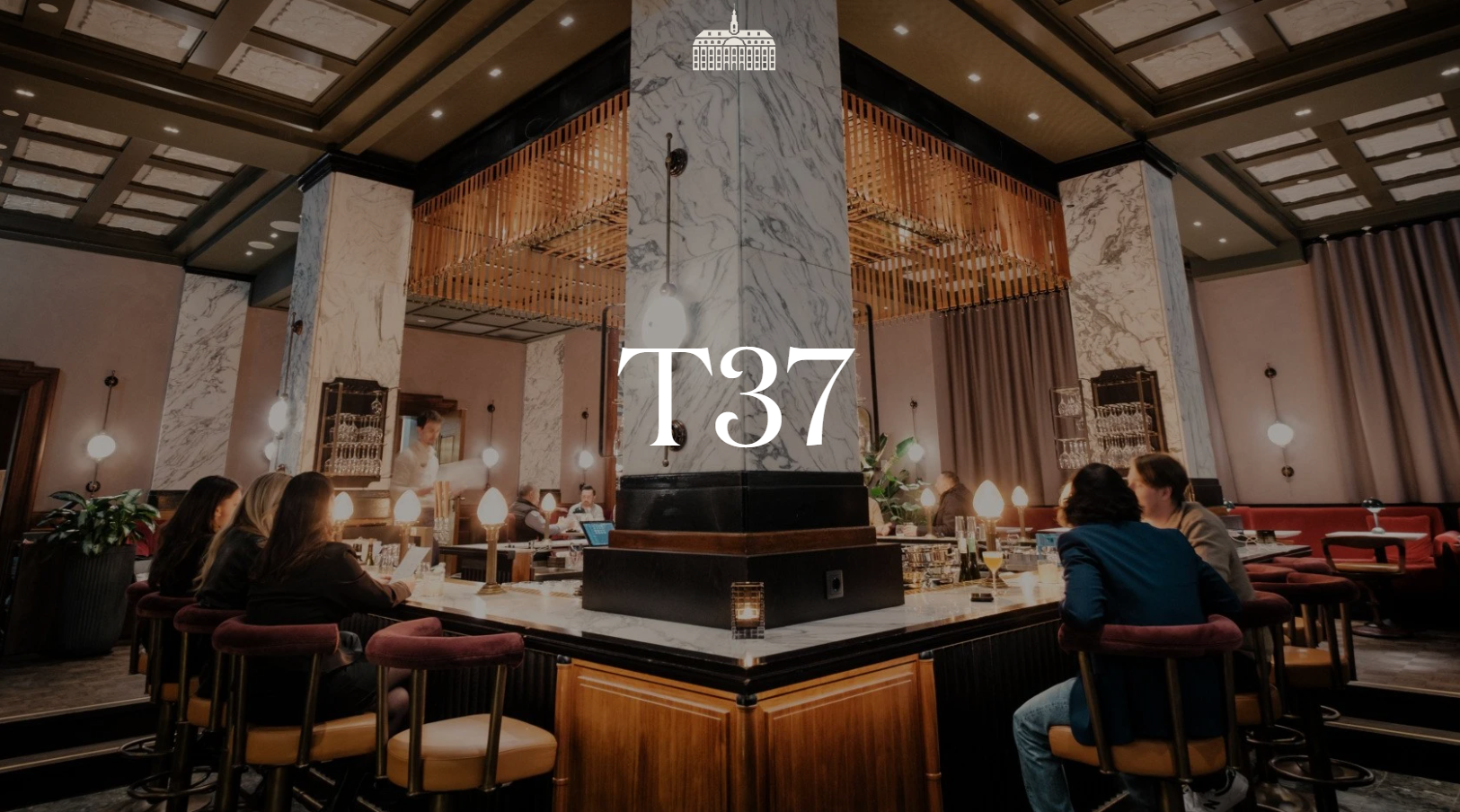
T37
Where Copenhagen Gathers: T37
T37, once a gathering place for postal workers, is today a lively social space that reflects
Copenhagen’s modern culture.“It’s a space for both locals and guests - People come here to meet and unwind" A relaxed cocktail and sharing bar, where small plates made from locally sourced ingredients are served with a seasonal cocktail or simply a good glass of champagne.
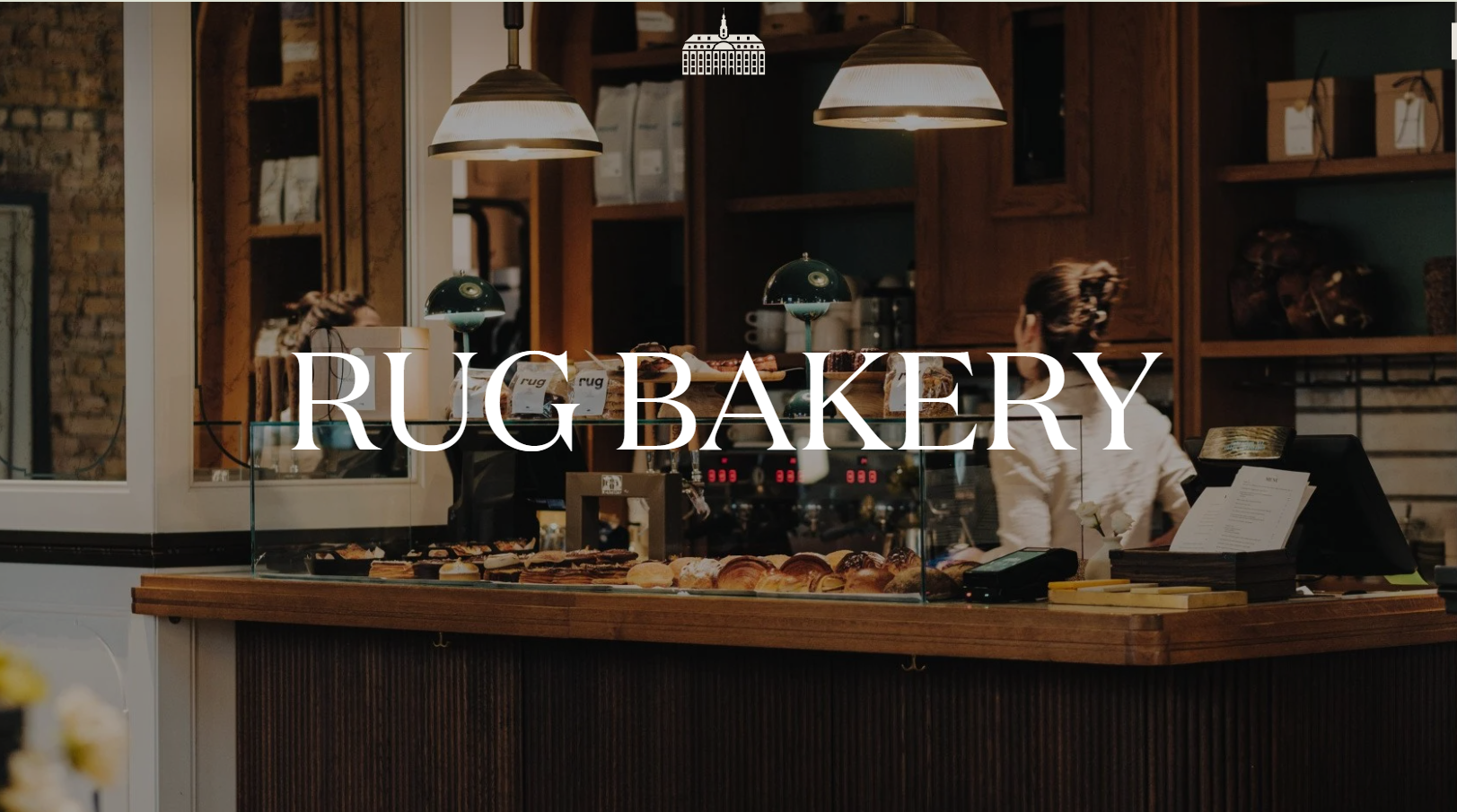
Bread & Wine, the Copenhagen Way: Rug Bakery
Rug - named after the Danish word for rye - plays a central role in the experience at Villa
Copenhagen. By day, it operates as a contemporary bakery rooted in Danish craftsmanship. By night, it transforms into a casual restaurant and bar, known for its sourdough pizzas, natural wines, and curated sharing servings.
A Hotel Powered by Happiness
What truly defines Villa Copenhagen, however, is its atmosphere - shaped largely by the people who work there.
“We don’t hire staff just for experience — we hire for attitude,” Philipson explained. “Happiness
is contagious. When our team feels proud and fulfilled, guests feel it too.”
That philosophy infuses every moment: morning laps in the sustainably heated rooftop pool,
courtyard cocktails, DJ sets from the balcony, and late-night conversations drifting into the warm
Copenhagen air.
The effect is effortless — luxury that feels lived-in, warm, and genuinely human.
“Families love it here,” Philipson smiled. “It’s elegant — but never stiff.”