
Where the Wind Takes You: Casana Hotel Redefines Barefoot Exclusivity in Brazil
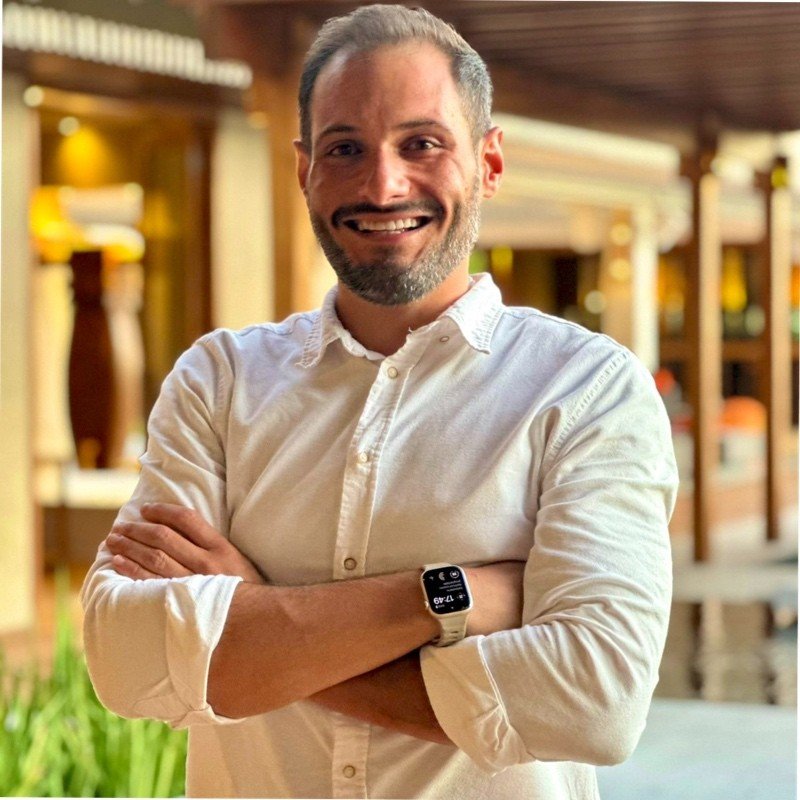
General Manager Gustavo Camargo
calls Casana “a big house delivering ultra-high service.”
By Yousuf Basil
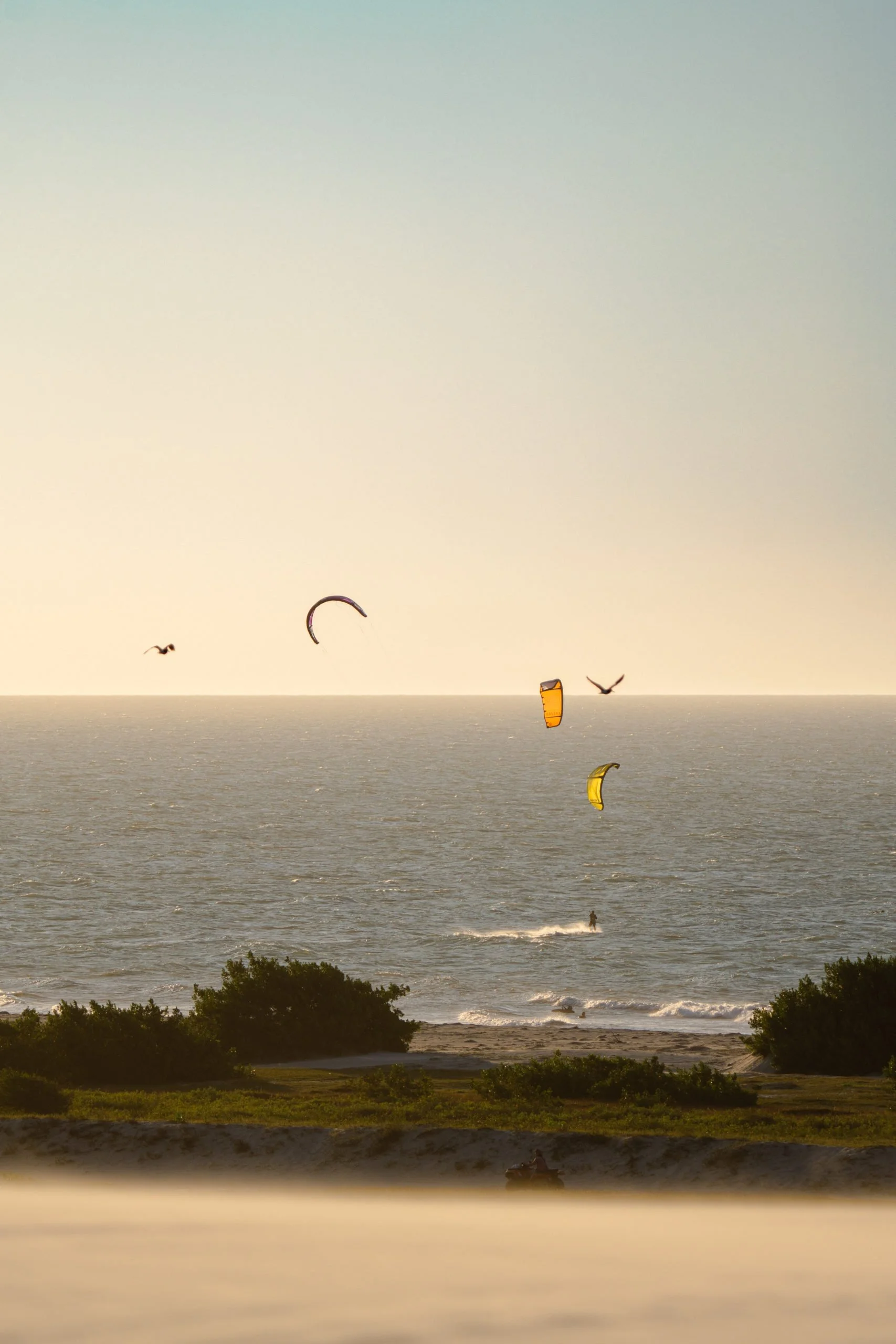
(Mayakoba, Mexico) On Brazil’s remote northern coast—where steady Atlantic winds draw the world’s best kitesurfers—Casana Hotel has turned motion itself into a philosophy of stillness. Here, “kite-in, kite-out” isn’t just a sport; it’s the rhythm of an ultra-luxury escape that pairs adrenaline with absolute serenity.
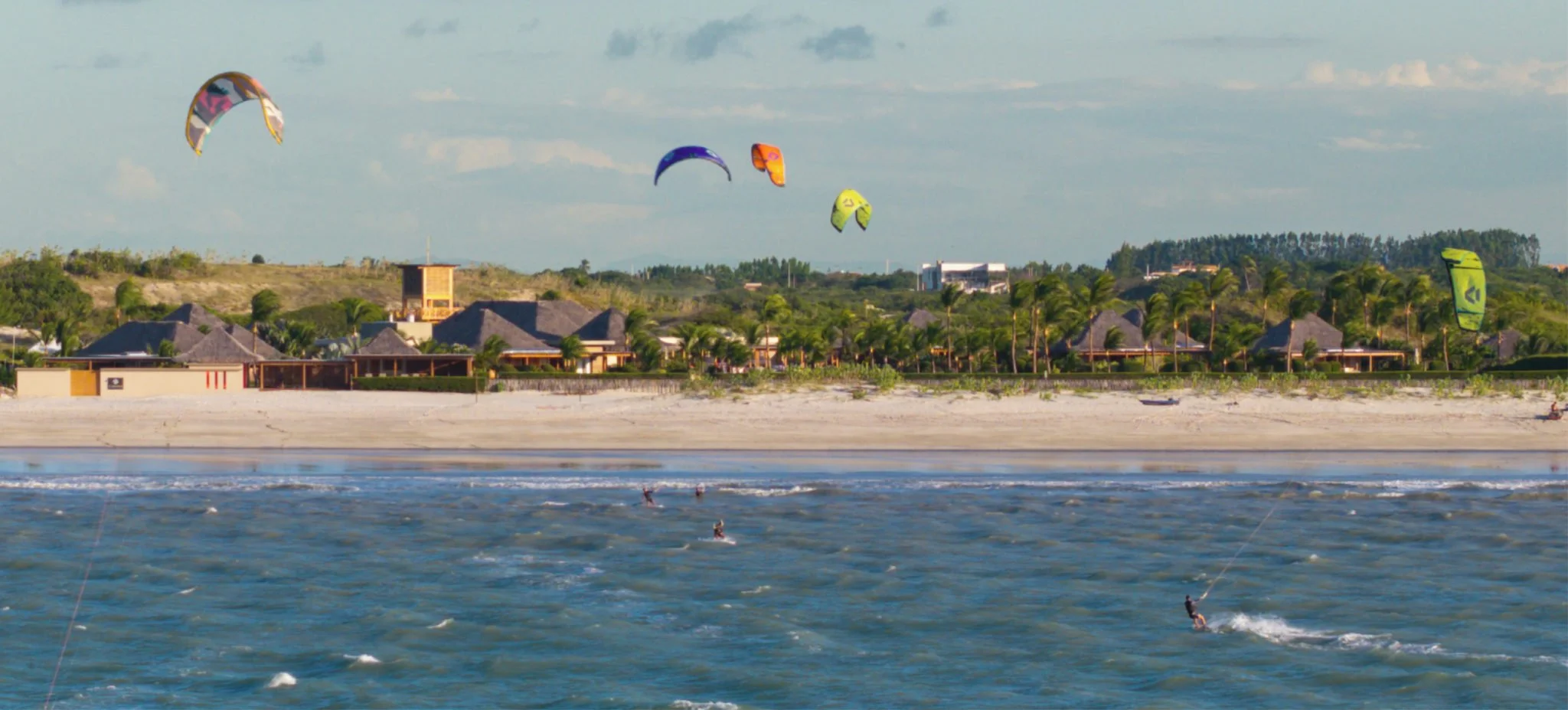
Casana’s Beach
Casana’s focus on wellness, health, and personalized living appeals as much to families and wellness travelers as to seasoned globetrotters used to brands like Aman and Six Senses.
A Haven Between Sea and Sky
General Manager Gustavo Camargo calls Casana “a big house delivering ultra-high service.” With just eight bungalows and 88 staff members—nearly five for every guest—the property embodies handcrafted exclusivity. Guests step from their suites directly onto the sand, where the hotel’s private kite school waits to launch them into the surf within minutes.
Yet adventure is only part of the story. Casana’s focus on wellness, health, and personalized living appeals as much to families and wellness travelers as to seasoned globetrotters used to brands like Aman and Six Senses.
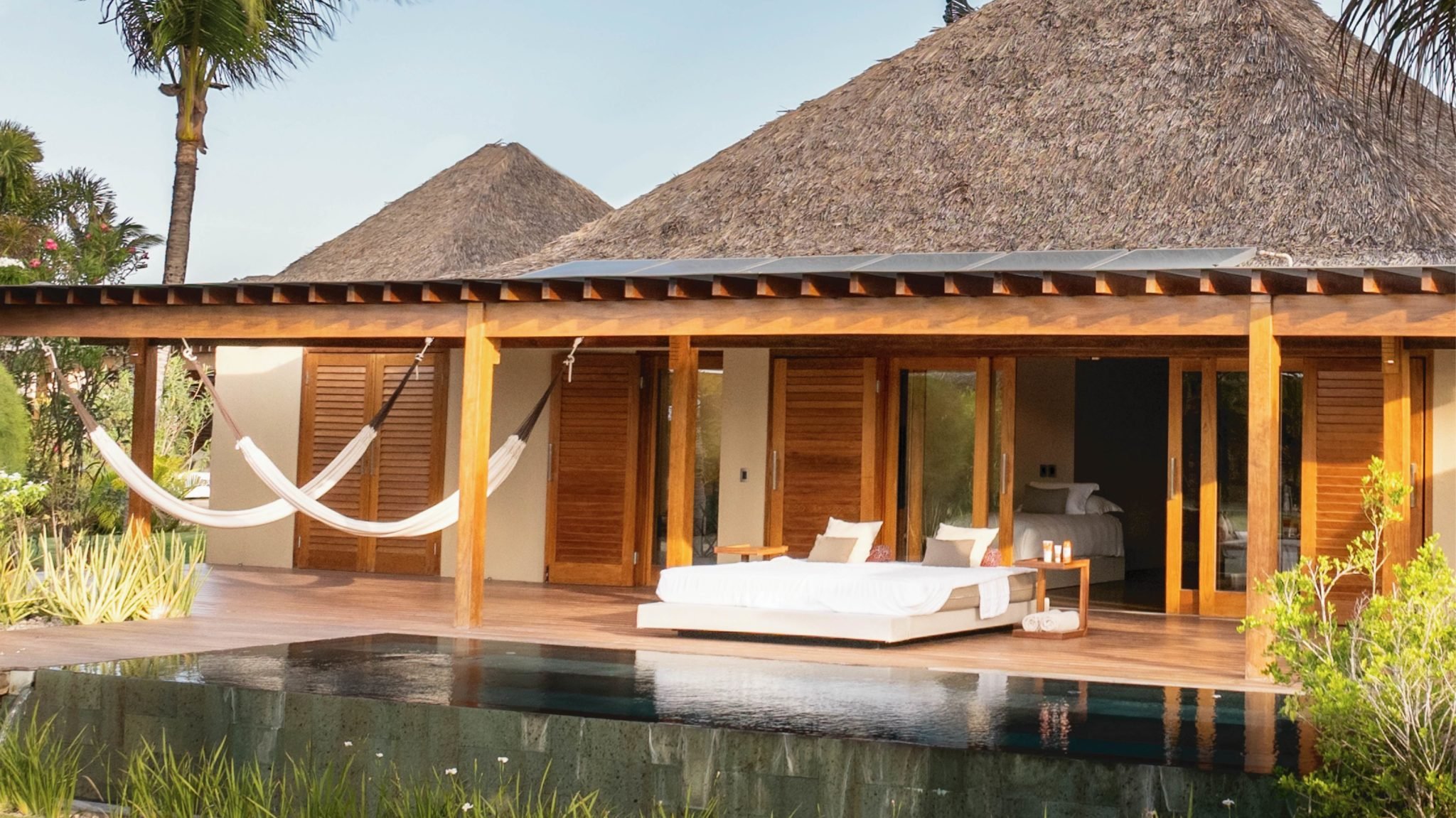
Casana Suit
Ninety-five percent of Casana’s team comes from nearby villages, a point of deep pride for Camargo.
Luxury Rooted in Community
Ninety-five percent of Casana’s team comes from nearby villages, a point of deep pride for Camargo. “We’re there to give our best—but we also give it back,” he says. Through the hotel’s foundation, Casana provides education, environmental programs, and language training in English, Spanish, and French, allowing locals to build hospitality careers without leaving their home region. The hotel’s “Great Place to Work” certification underscores how seriously it takes both staff wellbeing and service excellence.
Personalization as Art Form
Casana does not accept walk-ins. Bookings are made three to six months in advance so the team can learn every detail about a guest—interests, favorite art, music, and even scent preferences. Each arrival is met with a curated environment: a Picasso fan might find subtle décor that nods to the artist; classical-music lovers could walk into their bungalow with their favorite composer already playing.
A dedicated “hosting team” —part concierge, part butler —crafts a daily agenda around those insights. Yoga at sunrise, a boxing session at noon, a private tasting at dusk; guests never have to ask.
Dining Without a Menu
Casana’s gastronomy mirrors its ethos of spontaneity and soul. There’s no fixed menu. The chef consults each guest, creating meals from locally sourced ingredients—often cashew, the region’s emblematic fruit—and pairing them with the day’s freshest catch. Guests are invited into the open kitchen to cook alongside the chef, sip wine at the communal table, and watch each course come to life.
“We want it to feel like your home,” Camargo explains. “Except your home now faces the ocean.”
The culinary team is refining its techniques in pursuit of a Michelin Star, an unusual ambition for a property that hosts only 14 guests at a time.
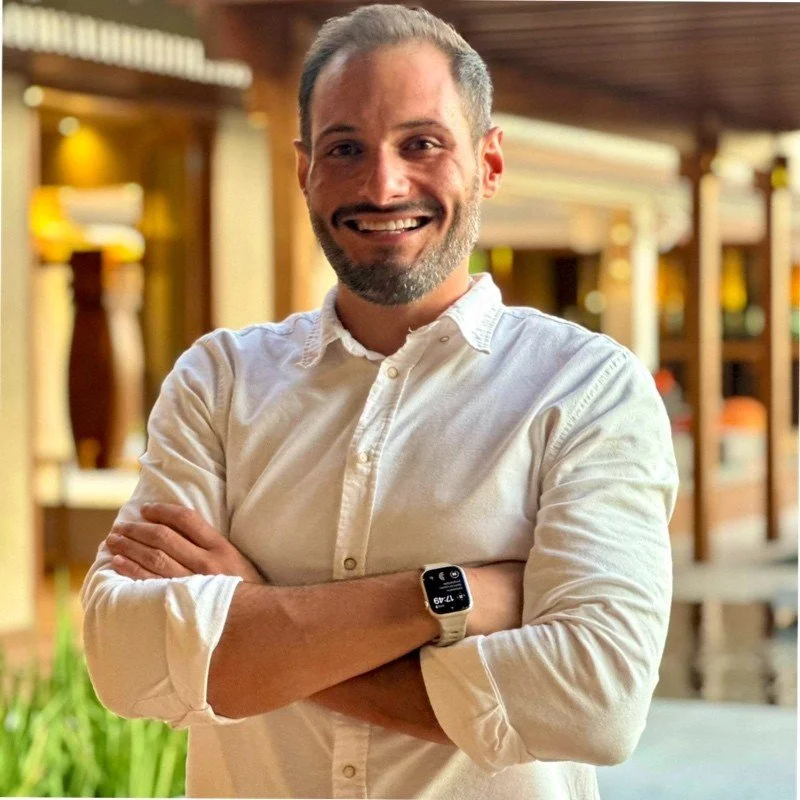
General Manager Gustavo Camargo
“They wish the hotel were their home,”.
A Day in Paradise
Camargo describes his ideal itinerary for a close friend: breakfast in the garden with tropical fruit and fresh coffee; a kitesurf session across emerald water; a buggy ride through Lençóis Maranhenses National Park, tracing dunes and lagoons to watch the sun dip behind the horizon. The day ends with an oyster-and-champagne bar, an eight-course tasting menu rich with local flavors, and finally an outdoor cinema projected beside the bungalow—waves as the soundtrack.
More Than a Stay—A State of Being
Casana’s guests often tell the staff they don’t want to leave. “They wish the hotel were their home,” Camargo says with a smile. “That’s when we know we’ve done it right.”
At Casana Hotel, luxury is about immersion. Between wind and water, service and soul, this barefoot Brazilian hideaway gives you a unique experience to indulge in the escape.
“People Realized Life Is Short”: Tastic Travel Redefines Luxury in Argentina’s Wine Country
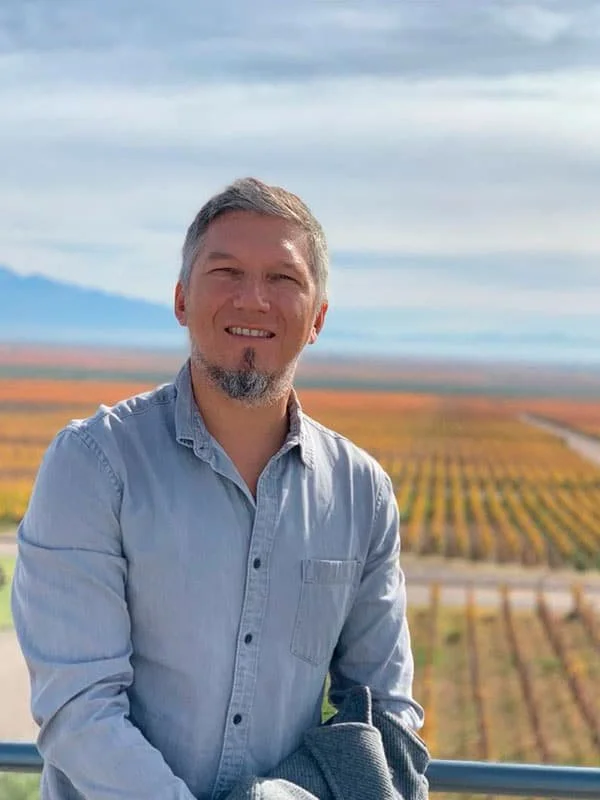
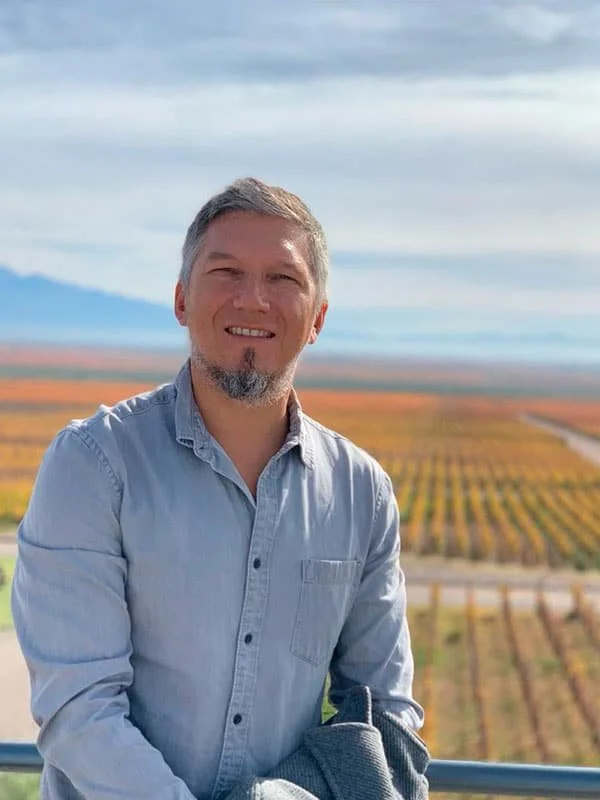
After the pandemic, travelers stopped waiting for someday—and began chasing the journeys they’ve always dreamed of, says Lucas Paracha of Tastic Travel.
By Yousuf Basil (Mayakoba|TFest)
A conversation with: Lucas Paracha, Head of Sales and Operations at Tastic Travel
At TFest 2025 in Mayakoba, one conversation stood out for its sincerity and pride of place. Lucas Paracha, Partner and Head of Sales and Operations at Tastic Travel, spoke of Mendoza, Argentina—not simply as a destination, but as a way of life.
Founded just before the pandemic, Tastic Travel has quickly established itself across Argentina and Chile by creating tailor-made journeys rooted in local culture, cuisine, and connection. “We listen first,” Paracha said. “We design itineraries around what travelers truly want to feel, not just what they want to see.”
For Paracha, who calls Mendoza home, luxury today is measured less in marble lobbies than in moments that feel personal and genuine. “Luxury doesn’t have to mean the best hotel in the world,” he explained. “It’s the experience that feels most special to you—maybe a picnic in the mountains, a walk through a penguin colony, or a blind wine tasting with friends.”
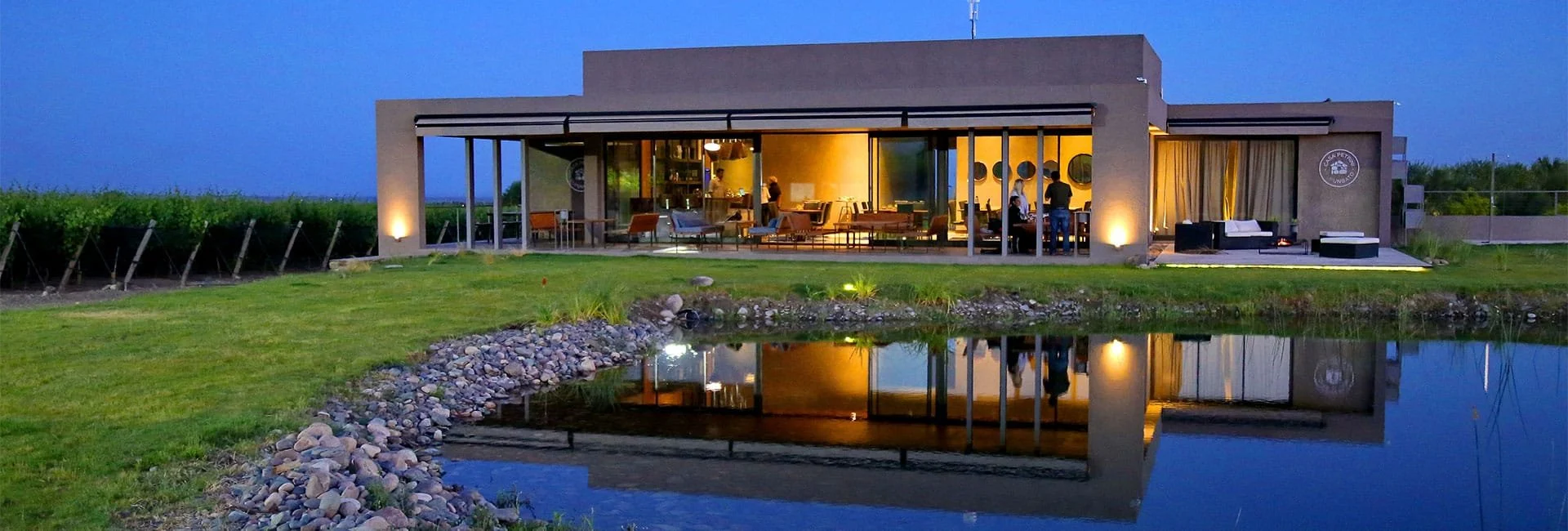
That philosophy defines Tastic Travel’s approach to Argentina’s wine capital. Mendoza’s appeal lies in contrasts—between snow-tipped Andes peaks and sun-drenched vineyards, between Michelin-star dining and rustic adventure. Travelers can raft white-water rapids by morning, enjoy a 14-course winery lunch by afternoon, and toast the sunset with Fernet and Coke, Argentina’s signature bittersweet cocktail. “It’s a place that offers everything—wine, food, mountains, sunshine,” Paracha said. “It’s impossible not to love it.”

Post-pandemic, Tastic Travel has seen steady growth in the luxury segment, fueled by what Paracha calls revenge travel—travelers making up for lost time, choosing meaningful journeys over material indulgence. “People realized life is short,” he said. “They don’t want to wait to see the places they’ve always dreamed of.”
Sustainability is also at the heart of the brand. The company partners with local suppliers, uses biodegradable packaging and recycled water bottles, and sources snacks and ingredients from nearby communities. “The destination is special because of its people,” he said. “We try to give back to them in every way we can.”
Ultimately, Tastic Travel’s mission is to connect visitors to Argentina and Chile’s living culture—inviting them into local kitchens, family vineyards, and authentic tango halls. “We bring travelers into the real rhythm of the place,” Paracha said. “It’s not about looking at the culture—it’s about living inside it.
With plans to expand into the U.S. and Mexican markets, Paracha remains focused on what sets Tastic apart: care, connection, and a deep sense of pride. “Mendoza is where it all began,” he said. “It’s the land of sun and good wine—and the warmth of its people is what makes every visit unforgettable.”
From Oslo to Copenhagen: How Nordic Hotels Are Redefining Luxury
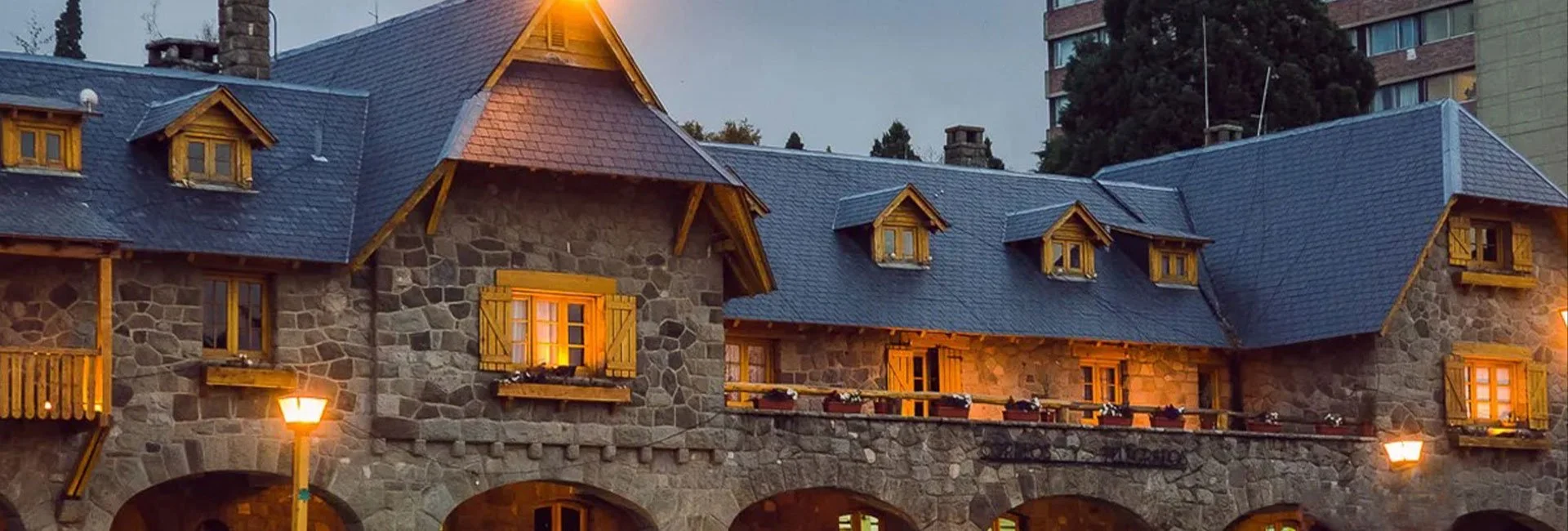
The Thief
By Yousuf Basil
At TFest 2025 in Mayakoba, where the world’s leading voices in luxury travel gathered to explore connection and conscious hospitality, two Scandinavian hotels stood out for something many travelers crave but rarely find: a genuine connection to place.
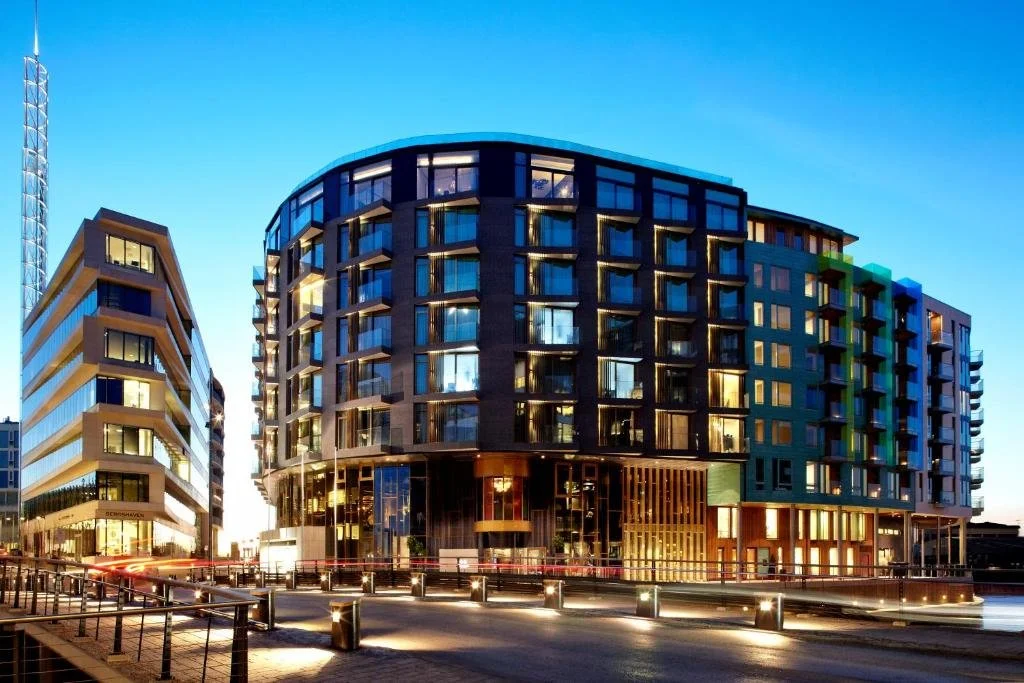
The Thief in Oslo and Villa Copenhagen in Denmark’s capital offer a distinctly Nordic vision of luxury — artful, sustainable, and shaped by the culture around them. These are hotels where guests engage with the city’s art, cuisine, people, and rhythm. The effect is grounding and intimate, inviting travelers to feel part of the destination rather than merely passing through it.
Both properties share a common thread: they sit under the creative, culture-driven ownership of Peter A. Stordalen — the Norwegian hotelier and contemporary art collector whose personal pieces are displayed throughout The Thief, shaping its cultural identity as much as its design.
Luxury Revealed: The Thief, Oslo
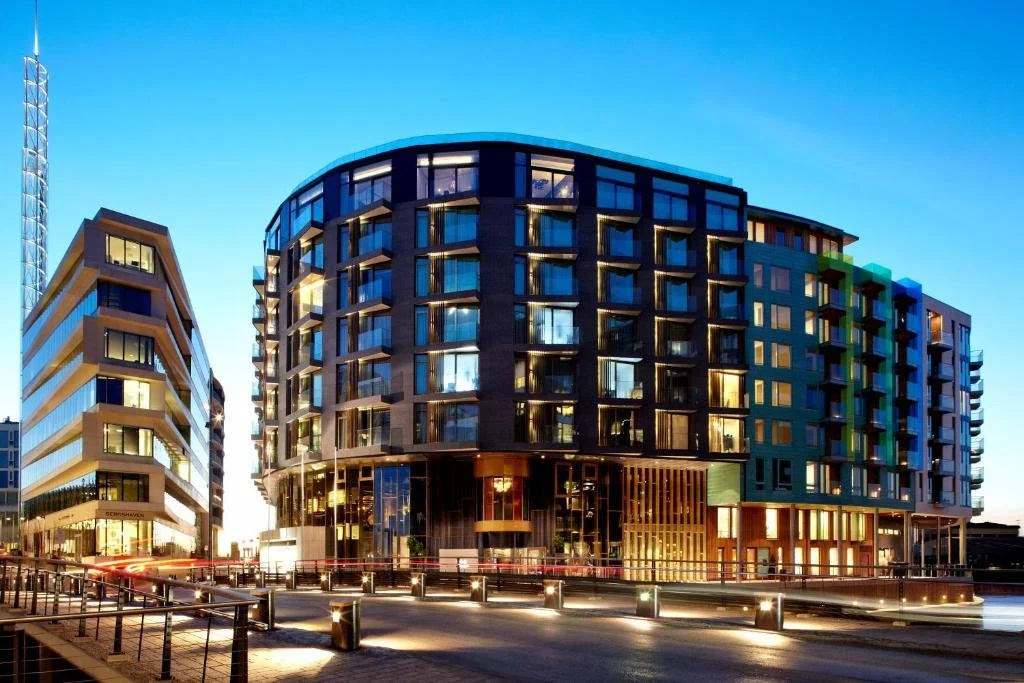
On Oslo’s Tjuvholmen peninsula — once a hideout for smugglers and outcasts — stands a hotel that has transformed its storied past into something extraordinary. The Thief, named for its location (“Tjuvholmen” means Thief Islet), now steals guests away from the ordinary and into an art-soaked sanctuary of contemporary refinement.
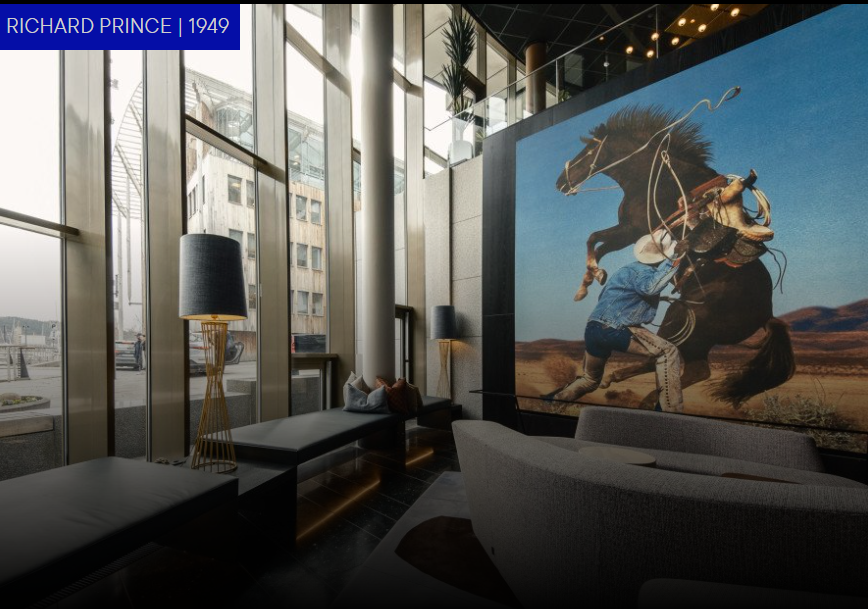
The Astrup Fearnley Museum — designed by Italian star architect Renzo Piano — sits just steps from the hotel as its nearest neighbor, and its influence resonates throughout The Thief’s curated collection of bold, international contemporary art. Works by global icons including Richard Prince, Antony Gormley, Damien Hirst, and Nate Lowman infuse the halls with a museum-like presence.
Highlighted Works in The Thief’s Collection
Richard Prince 1949
• Untitled (Cowboy), 1999 — Richard Prince
A deconstructed Marlboro advertisement, stripped of its text and mythology, revealing the grainy artifice behind America’s cowboy iconography.
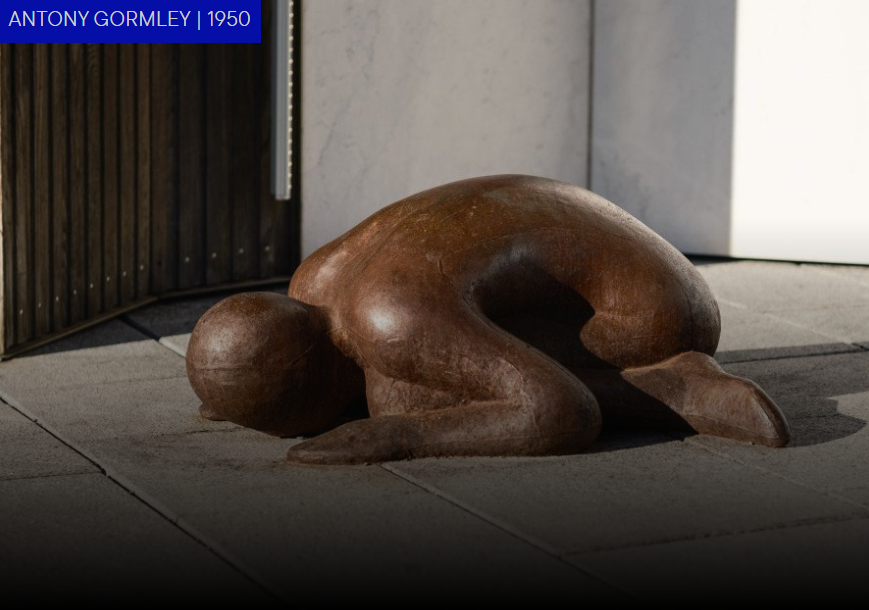
• Draw, 1995 — Antony Gormley
A cast-iron body based on Gormley’s own form — grounded, heavy, and evocative of surrender, humility, and raw human physicality.
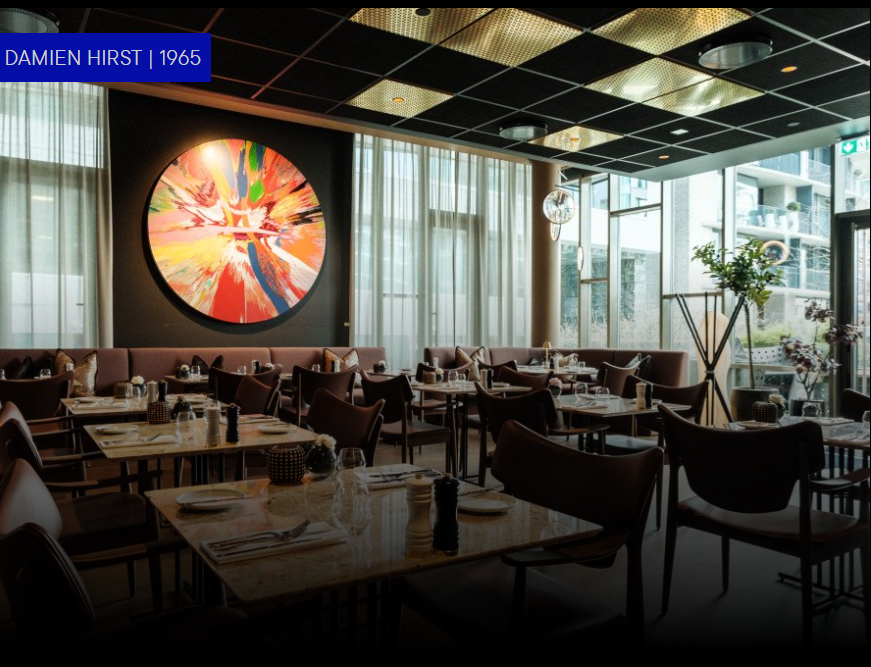
1997 — Damien Hirst
• Beautiful, amore, gasp, eyes going into the top of the head and fluttering painting, 1997 — Damien Hirst
A vibrant centrifugal burst of color from Hirst’s celebrated Spin Painting series — pure movement, randomness, and joy.
1997 — Damien Hirst
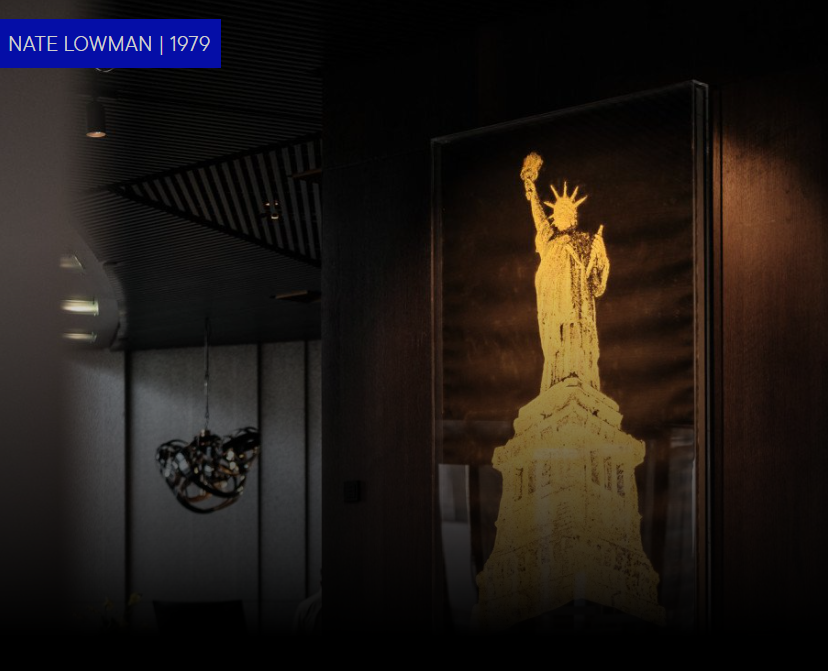
• Statue Painting, 2011 — Nate Lowman
A layered, narrative-rich commentary on pop culture, violence, and contemporary American storytelling.
Hospitality with an Edge
“We treat rockstars as guests, and guests as rockstars,” said Marianne Frostad, Director of Sales. “We swear by quality, focus on details, and stretch ourselves to surprise you — that’s how we create hotel experiences.”
Menus at the hotel reflect this philosophy as well. Nordic ingredients meet international flair — ‘Nordic nods and global winks’ — served with a side of surprise, whether for lunch, dinner, or afternoon tea.
“The Thief is a lifestyle luxury hotel built on a philosophy of sustainability and local qualities,” Frostad added. “Most of our guests come from all over the world, and we want them to feel both cared for and captivated.”
The rooftop terrace overlooks the Oslo fjord, where guests can swim, explore the floating saunas, or cruise the islands. The Thief is more than a hotel — it’s a living gallery and a love letter to Oslo.
Conscious Luxury: Villa Copenhagen
Across the Øresund Strait, Villa Copenhagen offers a different interpretation of Nordic luxury -
relaxed, warm, and rooted in responsibility. Located in the former Post & Telegraph headquarters, right next to Tivoli Gardens and the central train station, the hotel has found a natural balance between historic architecture and modern values. Sustainability is deeply integrated into the day-to-day operations. “Everything - from our food to our partnerships - reflects sustainability and awareness,” said Cecilie Philipson, Senior Sales Manager. “For us it’s all about creating luxury responsibly.”
T37
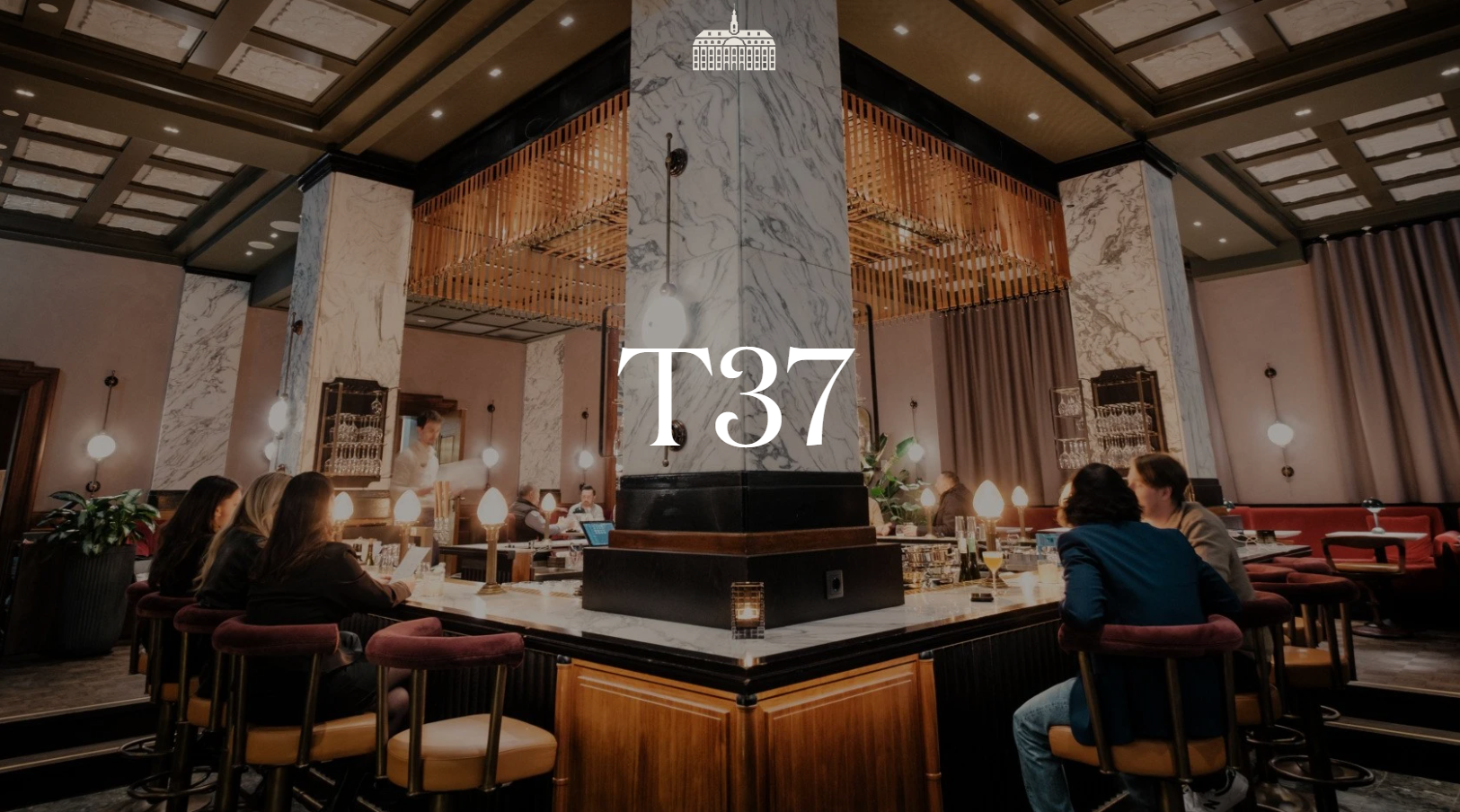
Where Copenhagen Gathers: T37
T37, once a gathering place for postal workers, is today a lively social space that reflects
Copenhagen’s modern culture.“It’s a space for both locals and guests - People come here to meet and unwind" A relaxed cocktail and sharing bar, where small plates made from locally sourced ingredients are served with a seasonal cocktail or simply a good glass of champagne.
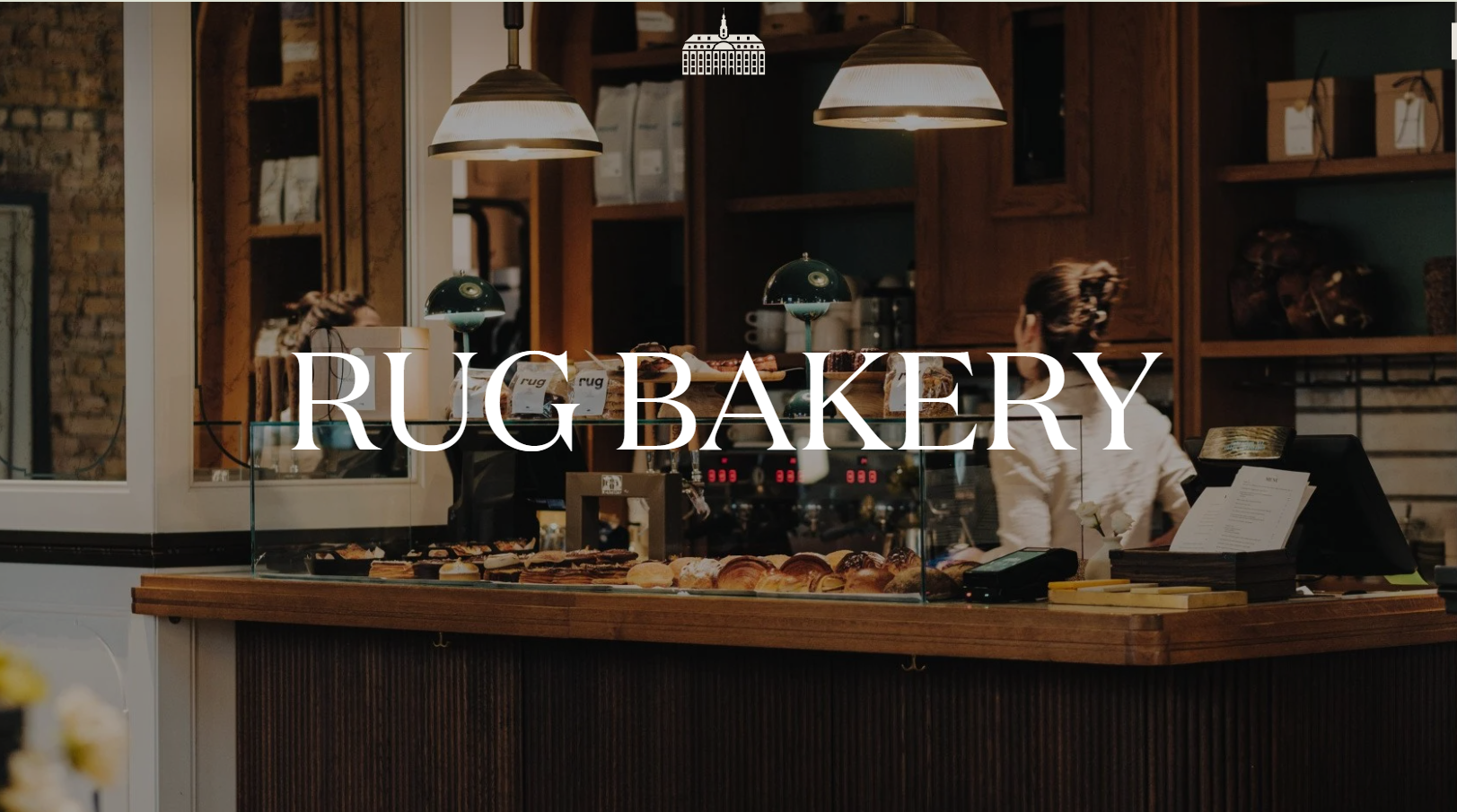
Bread & Wine, the Copenhagen Way: Rug Bakery
Rug - named after the Danish word for rye - plays a central role in the experience at Villa
Copenhagen. By day, it operates as a contemporary bakery rooted in Danish craftsmanship. By night, it transforms into a casual restaurant and bar, known for its sourdough pizzas, natural wines, and curated sharing servings.
A Hotel Powered by Happiness
What truly defines Villa Copenhagen, however, is its atmosphere - shaped largely by the people who work there.
“We don’t hire staff just for experience — we hire for attitude,” Philipson explained. “Happiness
is contagious. When our team feels proud and fulfilled, guests feel it too.”
That philosophy infuses every moment: morning laps in the sustainably heated rooftop pool,
courtyard cocktails, DJ sets from the balcony, and late-night conversations drifting into the warm
Copenhagen air.
The effect is effortless — luxury that feels lived-in, warm, and genuinely human.
“Families love it here,” Philipson smiled. “It’s elegant — but never stiff.”
Tourise Awards 2025: Tokyo Leads Global Destinations of the Future | Tour Summit Highlights Riyadh
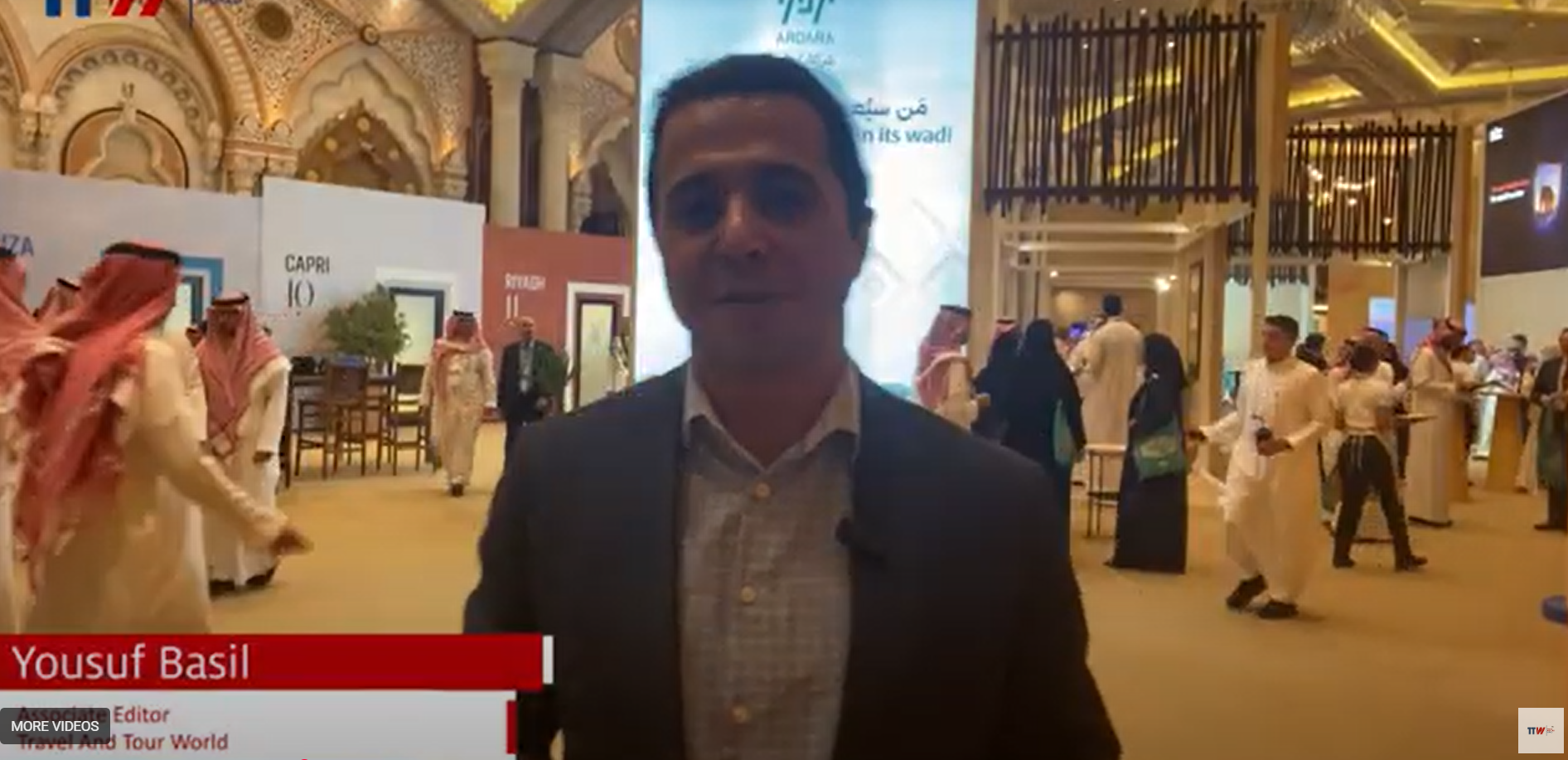
Tourise Awards 2025: Tokyo Leads Global Destinations of the Future | Tour Summit Highlights Riyadh The inaugural Tourise Awards lit up Riyadh during the opening night of the Tour Summit 2025, celebrating global destinations that are shaping the future of tourism. Hosted by the Saudi Arabia Authority, the awards recognized excellence across six standout categories, from culinary and adventure to arts and entertainment. Tokyo, Japan emerged as the biggest winner, taking home three major honors: Best Overall Destination, Best Entertainment Destination, and Best Culinary Destination. Meanwhile, New York took the top spot for arts and culture, and Paris was crowned the Best Shopping Destination. Latin America's Amashiro made history, winning Best Adventure Destination, surpassing the Galapagos Islands and Uganda’s Bwindi Forest. The Tourise Awards focused on destinations that are not only popular today but also innovating for the future of tourism. With a global jury and an open nomination process, the awards have set a new standard for destination excellence, marking the winners as the ones to watch in the evolving tourism landscape.
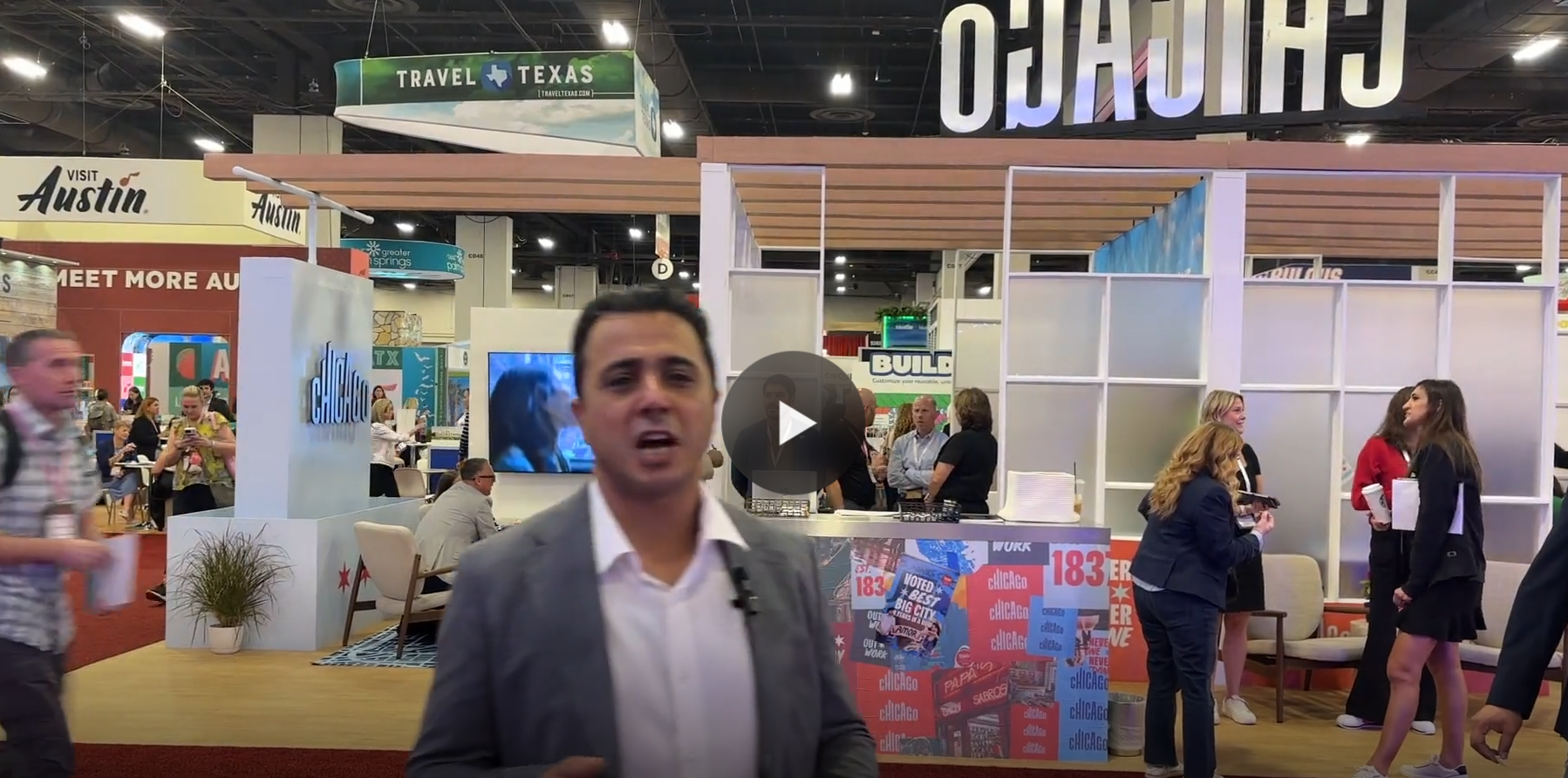
The unbeatable streak: Chicago crowned America’s best big city for a historic ninth year
As Condé Nast Traveler readers reaffirm Chicago’s dominance, the city’s record-breaking tourism numbers and resilient spirit tell the real story.
As Condé Nast Traveler readers reaffirm Chicago’s dominance, the city’s record-breaking tourism numbers and resilient spirit tell the real story.
By Yousuf Basil and Jennifer Z. Deaton
Chicago occupies a singular place in the nation’s culture, history and politics. Headlines often skew political—and negative—but the lived experience of millions of visitors tells a different story. This month, Condé Nast Traveler readers named Chicago the Best Big City in the U.S. for the ninth consecutive year, a streak unprecedented in the awards program’s more than 30-year history.
“While critics try to paint Chicago as something to fear, the rest of the world knows the truth—this is the best big city in America,” Illinois Gov. J.B. Pritzker said, underscoring the gap between perception and on-the-ground reality. Mayor Brandon Johnson dedicated the honor to residents: “This recognition is a testament to the people of Chicago—their welcoming spirit, creativity and grit. Chicago’s strength has always come from its residents, whose hard work and pride shine through in every neighborhood.”
A counter-narrative of success
The award arrives at a complex political moment, which may be exactly why it resonates. Condé Nast Traveler, a leading travel publication, surveyed 750,000 readers; Chicago again rose to the top—evidence that travelers keep choosing the city with their itineraries and their dollars.
The proof: a record-breaking summer
The “Best Big City” title isn’t just sentiment—it’s supported by performance. Choose Chicago reports the city’s hotels posted their strongest summer on record. In a year when many destinations faced headwinds, Chicago bucked national trends.
June–August 2025 (Choose Chicago):
More than 3.56 million hotel room nights sold (up 4.3% vs. 2024)
More than $948 million in hotel revenue, surpassing last year’s record
Travelers are voting with their wallets—and they’re choosing Chicago.
Why Chicago?
A world-class hospitality engine. From hoteliers to tour guides, the city’s hospitality workforce anchors the visitor experience. “Your creativity and dedication make every stay… an experience that makes people want to come back again and again,” said Michael Jacobson, Illinois Hotel & Lodging Association.
An unbeatable cultural and culinary scene. From the Art Institute to neighborhood jazz clubs—and a globally acclaimed restaurant community—culture and cuisine remain powerful draws. “I’m convinced that it’s our chefs, servers, restaurateurs… that make this city’s food scene so special,” said Sam Toia, Illinois Restaurant Association.
Top-tier infrastructure for business and events. With McCormick Place, Navy Pier and two major airports, Chicago remains a convention powerhouse, generating more than $3 billion in economic activity last year.
A city celebrating itself
“This award affirms what we know to be true: Chicago is a world-class city with unmatched beauty, culture and hospitality,” Kristen Reynolds, president and CEO of Choose Chicago, said. She noted the broader impact: tourism supports about $20 billion in annual economic activity and more than 130,000 local jobs.
The celebration is spilling into the public square. Choose Chicago is inviting residents and visitors to share their stories using #NeverOutdoneChi and #AllForTheLoveOfChicago—a fitting tribute to a city that isn’t done winning people over.
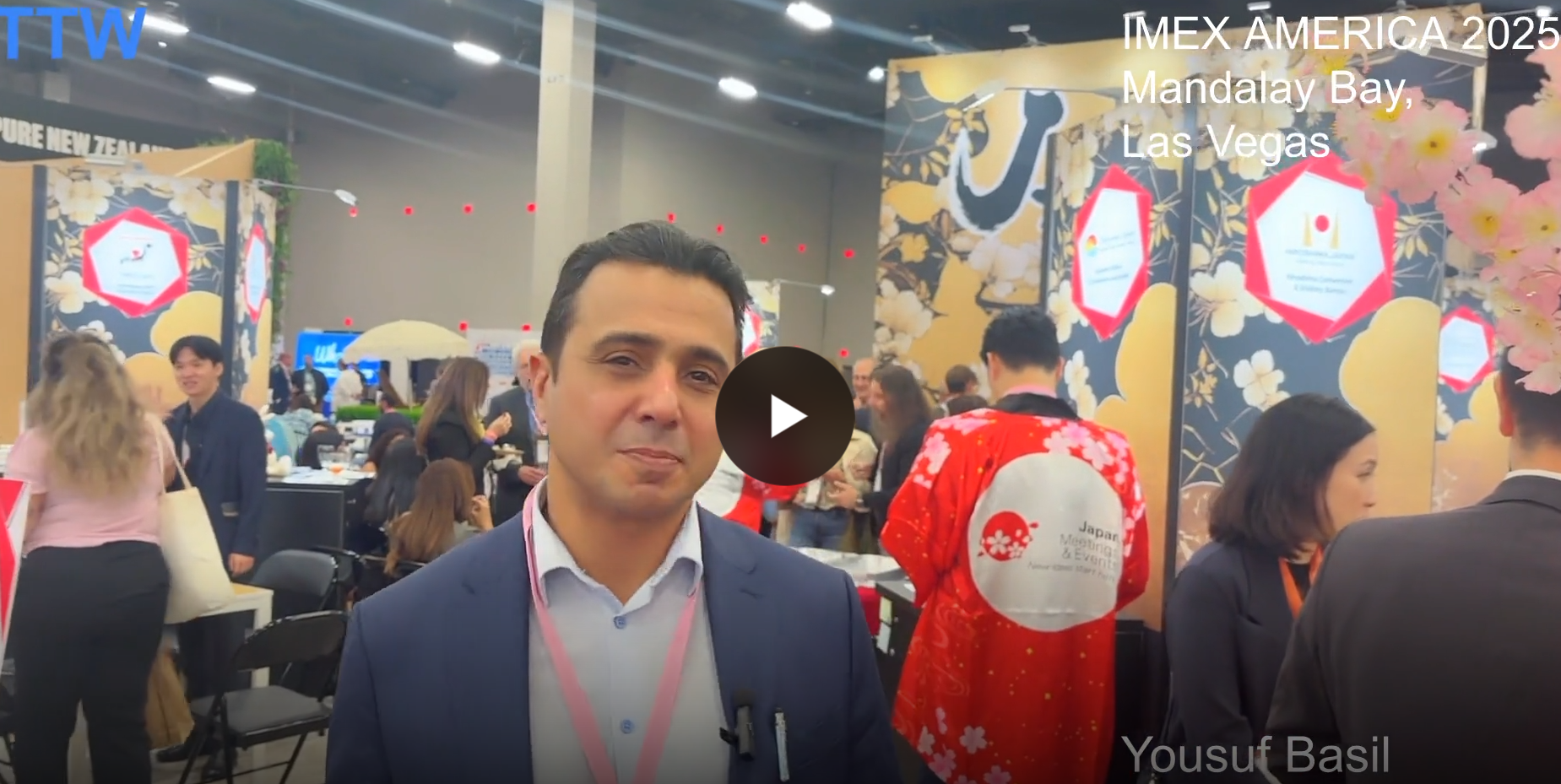
More Than a Trip, It's a Mosaic: Japan's Regional Diversity Earns It Top Incentive Honors
By Yousuf Basil and Jennifer Z. Deaton
(Las Vegas, USA) All the exhibitors at IMEX America 2025, held at Mandalay Bay in Las Vegas, came eager to showcase their businesses and make deals. Japan, though, stood out—marching into the show already a winner. Even before the opening ceremony, before the first handshake on the floor, Japan had been crowned “Best Incentives Destination (Asia)” for 2025.
The honor comes from the M&C Asia Stella Awards, which recognize outstanding performance and innovation across the MICE sector (Meetings, Incentives, Conventions, Exhibitions). Japan earned the majority of votes in the incentives category—clear validation of its reputation for quality experiences and high visitor satisfaction.
This prestigious recognition highlights world-class infrastructure, exacting service standards, rich culture, and diverse incentive experiences that make Japan a standout destination in Asia.
On the IMEX America exhibition floor, Japan’s pavilion is buzzing—an energy you can’t miss.
Why Japan
Mr. Lewis Ream, with the Japan National Tourism Organization, told TTW that Japan’s “secret” is the seamless connectivity between its diverse cultures and destinations.
“One of Japan’s main strengths is the diversity of options for host cities for incentive trips and conferences,” he said. “Japan has so many regional cultures and traditions, giving travelers the chance to visit several cities and connect with different cultures in a single itinerary.”
In a statement, the M&C Asia Stella Awards organizing body added:
“The result reflects that Japan is highly regarded by incentive planners in the Asia region for offering high-value-added experiences, quality facilities, and excellent service in the field of incentive travel.”
If there’s one quality that sets Japan apart, Mr. Ream tells me is The Attention to Detail—a value deeply embedded in the country’s collective culture. On that point, there’s little debate.
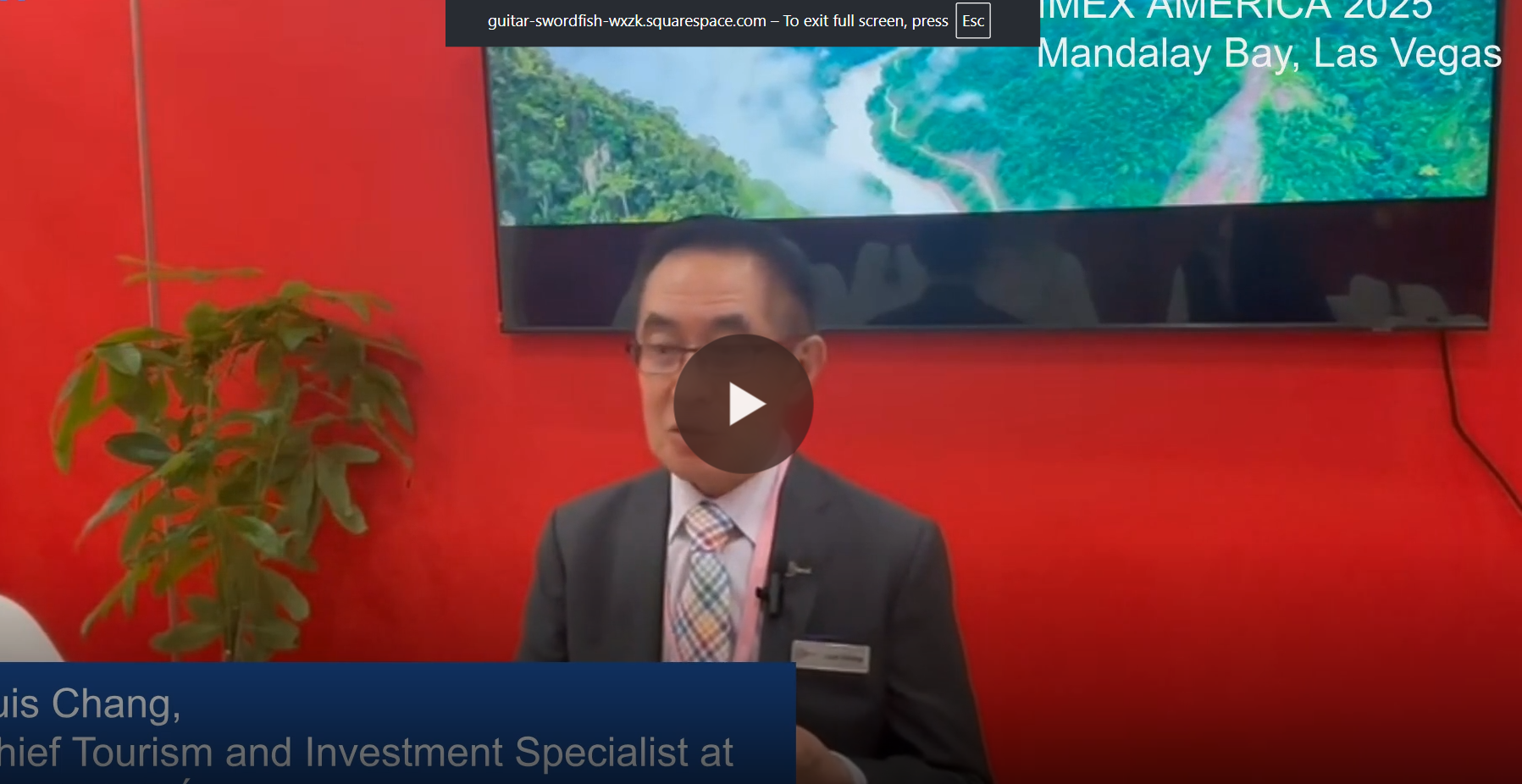
Peru, In Full Color: Why Lima—and Beyond—Make a Compelling MICE Bet
From oceanfront capital to world-class cuisine and vast biodiversity, Peru’s “3 Cs” add up to serious meeting momentum—plus what Luis Chang calls its “secret sauce.”
By Yousuf Basil and Jennifer Z. Deaton
From oceanfront capital to world-class cuisine and vast biodiversity, Peru’s “3 Cs” add up to serious meeting momentum—plus what Luis Chang calls its “secret sauce.”
By Yousuf Basil and Jennifer Z. Deaton
LAS VEGAS — Among the kaleidoscope of booths at IMEX, Peru felt like the end of the rainbow—the pot of gold. Warm hosts in traditional Andean dress, jewel-tone textiles everywhere, and at 3 p.m. sharp each afternoon: exquisite small bites and pisco sours that drew lines early. Staff half-joked they had to “guard” the trays so the mini culinary masterpieces didn’t vanish before service even began. At the heart of it all stood Luis Chang, Chief Tourism & Investment Specialist at PROMPERÚ—elegant, deft, and every inch the ambassador for a country where ancient depth meets modern ease, and what he later described as Peru’s “secret sauce.”
The Framework: Chang’s “3 Cs”
Asked why Peru works for incentive and conference travel, Chang distills it to Choice, Closeness, and Comfort.
Choice. “Peru is 5,000 years old,” Chang said. It’s not only the Inca; multiple pre-Columbian civilizations and Spanish colonial heritage make culture and history tangible—from Cusco’s stonework to Lima’s museums. Nature multiplies the options: Pacific coastlines, rainbow-hued mountain vistas, high-Andean lakes (hello, Titicaca), and the Amazon. Adventure scales to any group: paraglide the Malecón, sandboard coastal dunes, kayak with wildlife, or head deep into the rainforest. And cuisine is a pillar—Peru has been named World’s Leading Culinary Destination for 12 years, with Central (World #1 in 2023) and Maido (World #1 in 2025) anchoring Lima’s dining scene.
Closeness. Lima is a true South American hub, with daily directs across the Americas—including six major U.S. gateways—and strong links to Madrid, Amsterdam, and Paris. That lift keeps long-haul fatigue down and makes multi-city itineraries workable for executives and exhibitors.
Comfort. Infrastructure meets the brief. The five-story Lima Convention Center (LCC) seats ≈ 3,500 in its largest hall and ≈ 10,000 across all rooms. On track record, Chang was explicit: “We are very proud to have hosted 3 Asia-Pacific summits… We are very good in hosting summits.” He noted the World Bank and IMF meetings that inaugurated the LCC in 2015: “We had 12,000 people coming to Lima… They enjoyed the hospitality and especially the food.” His takeaway: “We have a lot of experience in the logistics of having big events in Lima.” Hotel depth covers key districts: JW Marriott and Westin (ocean-facing, MICE-oriented), the InterContinental Lima (opened May 2025), Swissôtel San Isidro, and the Sheraton (home to Peru Travel Mart). Beyond the city, Belmond’s Hiram Bingham to Machu Picchu, the Andean Explorer, and Amazon cruises add premium extensions and CSR-ready storylines.
Lima: A Capital That Programs Itself
Few capitals sit right on the Pacific. In Lima, teams can paraglide the cliffs above the Malecón, surf year-round, and wander Barranco’s bohemian galleries by sunset. The Larco Museum compresses millennia into a power hour—perfect context-setting on day one. Evenings pair tasting-menu ambitions with live culture, from national dances and Peruvian paso horses to Danza, a choreographed dinner-show by top local creatives.
Pull-quote: “The secret sauce is talking to people—and leaning into the mysteries.” — Luis Chang
The Close: Personal Highlights—and the “Secret Sauce”
On favorites, Chang smiled and called it “a difficult question.” Yes, Machu Picchu is a must—but he urges planners and travelers to live the history in Cusco: walk the streets, feel the Inca foundations layered with Spanish architecture, and learn the cosmovision of the Andean people—how they relate to Mother Earth. Taste widely (ceviche, Amazon fish, regional specialties) and toast with pisco, Peru’s spirit. But the part that stays? “Whatever you do in Peru, you’ll feel the warmth of the people… The secret sauce is talking to people—and leaning into the mysteries that leave you with questions and wonder,” from the Nazca Lines to the engineering behind ancient sites.
Those mysteries—the architecture, the Amazon, the enduring layers of civilization—give Peru its rare mix of intellect and enchantment. In Chang’s words and demeanor, the message is clear: Peru’s greatest luxury is connection—between people, culture, and place.
Planner Snapshot (Clip-Save)
Primary hub: Lima (LIM); daily directs across the Americas; Europe via MAD/AMS/CDG.
Convention core: LCC five stories; largest hall ≈ 3,500; total ≈ 10,000.
MICE hotels (sample): JW Marriott (Miraflores), Westin, InterContinental (new), Swissôtel (San Isidro), Sheraton.
Signature add-ons: Larco Museum private tours; Barranco arts walk; Hiram Bingham/Andean Explorer; Amazon cruises.
Culinary anchors: Maido (2025 #1) and Central (2023 #1) — reserve early.
Bottom Line: Peru brings the head (infrastructure), the heart (people & culture), and the wow (nature & cuisine). For programs that should feel unlike anywhere else—and run like clockwork—few destinations check as many boxes with this much pleasure between sessions.
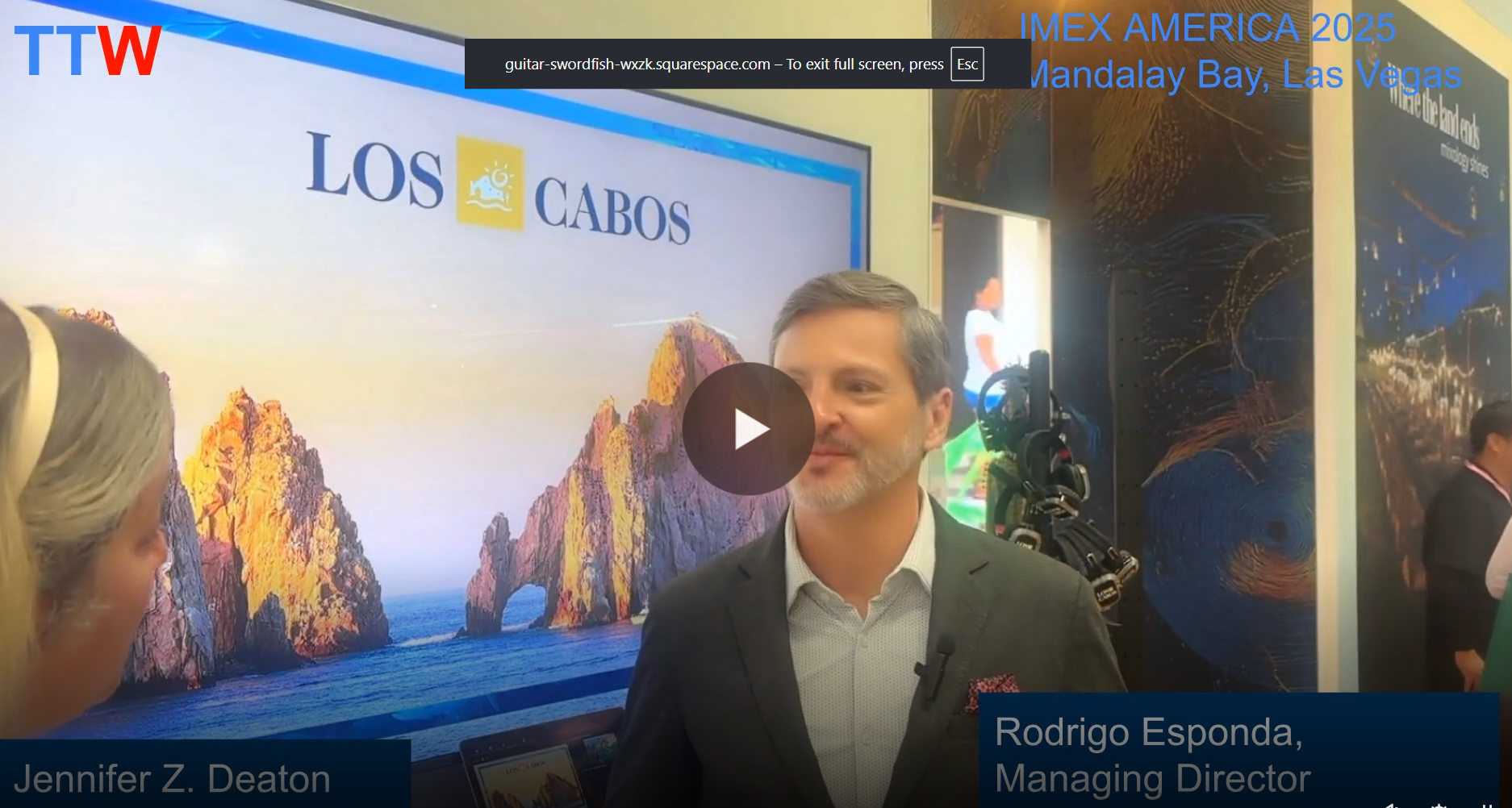
Los Cabos: From Desert to Deep Blue—Luxury, Nature, and Safe, Seamless Meetings
By Yousuf Basil and Jennifer Z. Deaton | Travel and Tour World
(Interview conducted on the sidelines of IMEX America 2025, Las Vegas)
(Las Vegas):The Los Cabos stand paired the destination’s stunning beach-and-mountain imagery with a team whose warmth and energy came wrapped in polish and luxury. The look was confident and high-end: desert meeting deep-blue sea, presented with the kind of refinement planners expect at the top of the market.
At the center was Rodrigo Esponda, Managing Director of the Los Cabos Tourism Board, who shared with Travel and Tour World how this region pairs five-star comfort with marine biodiversity and safety.
Meetings with Meaning
“For Los Cabos, the meetings industry is very important,” Esponda explained. “Ten percent of all booked room nights each year come directly from meetings, incentives, or convention programs.”
According to destination research, 6% of the region’s GDP is directly tied to meetings.
With 95 hotels—averaging about 200 rooms each—Los Cabos is built to host medium-sized groups of 200–300 participants. Esponda said the destination prioritizes “quality over quantity,” adding that with most hotels at ~200 rooms, 200–300-person programs are especially well-suited to Los Cabos.
Connectivity helps: 32 U.S. cities offer nonstop flights to Los Cabos, along with 11 from Canada, a Frankfurt route twice weekly, and new service from Panama launching this November—linking North America, Europe, and South America.
To support planners, Los Cabos runs a certification program for 15 DMCs (Destination Management Companies)—local experts that design and execute group programs, from airport logistics and off-sites to CSR activities and cultural immersion. “It’s a reliable network of professional suppliers,” Esponda said, “combined with strong infrastructure, hospitality, and safety.”
Culture, Cuisine, and Creativity
Beyond logistics, Los Cabos brings a sense of place. “Even the name California originated here,” Esponda noted, reflecting the region’s Spanish colonial roots. Five centuries of influence inform local art, music, and design.
The table tells the story, too. “We have a unique cuisine, mostly seafood-based,” he said. “There are many endemic species you can only find in the Sea of Cortés.” Despite the arid landscape, the valleys near the Sierra de la Laguna are fertile, making Los Cabos Mexico’s leading producer of organic vegetables.
Chefs from around the world have flocked here for three decades, building a scene that rivals the nation’s best. Since the Michelin Guide arrived in Mexico, 21 Los Cabos restaurants earned ratings—only seven are inside hotels. “The best is outside,” Esponda smiled. The absence of rigid culinary “rules” invites experimentation: local seafood, organic produce, and global technique.
Nature and Regeneration
Asked for a favorite place, Esponda didn’t hesitate: Cabo Pulmo National Park.
“It’s one of the most interesting examples of conservation and regeneration in the world,” he said. “The Sea of Cortés holds about 30% of the planet’s marine life. To dive or snorkel among reefs, rays, dolphins, and sharks—it’s unforgettable.” For Esponda, Cabo Pulmo is a living example of sustainable tourism, where community, conservation, and commerce coexist.
Positioned for the Future
Under Esponda’s stewardship, the Los Cabos Tourism Board has balanced private-sector innovation with transparent public funding—elevating value per visitor, not just volume. The result: a destination that couples five-star hotels and Michelin-recognized dining with world-class biodiversity, reliable safety, and planner-friendly infrastructure.
From desert trails and mountain backdrops to the deep-blue Sea of Cortés, Los Cabos offers programs that work on paper—and resonate in memory. As Esponda emphasized, the destination brings the infrastructure, hospitality, safety, and creativity—above all, a place that moves people to come, and to return.
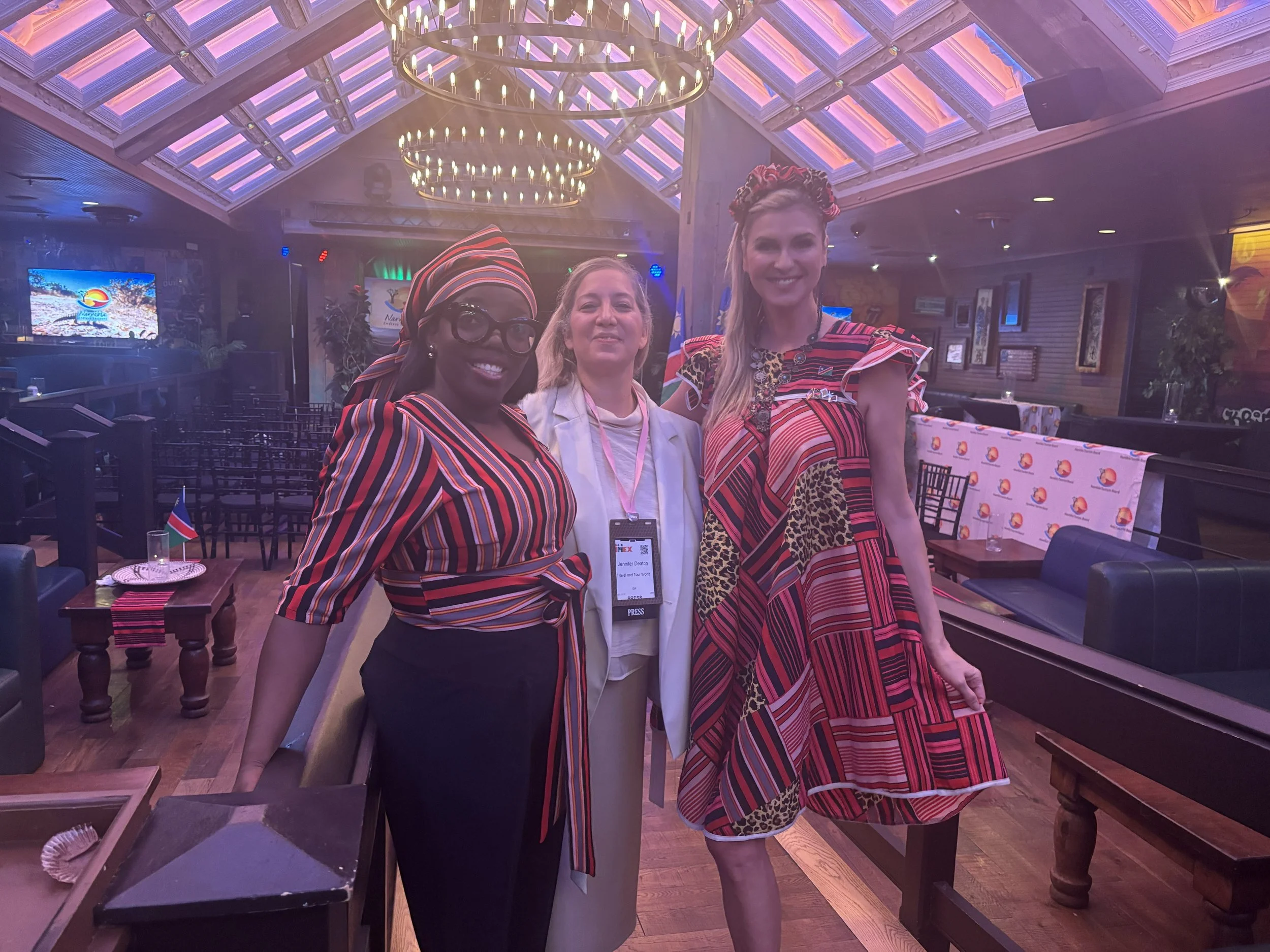
Namibia:Africa’s Best-Kept Secret Steps Into the Light
It all begins with an idea.
By Jen Deaton & Yousuf Basil — Las Vegas (on the sidelines of IMEX America 2025)
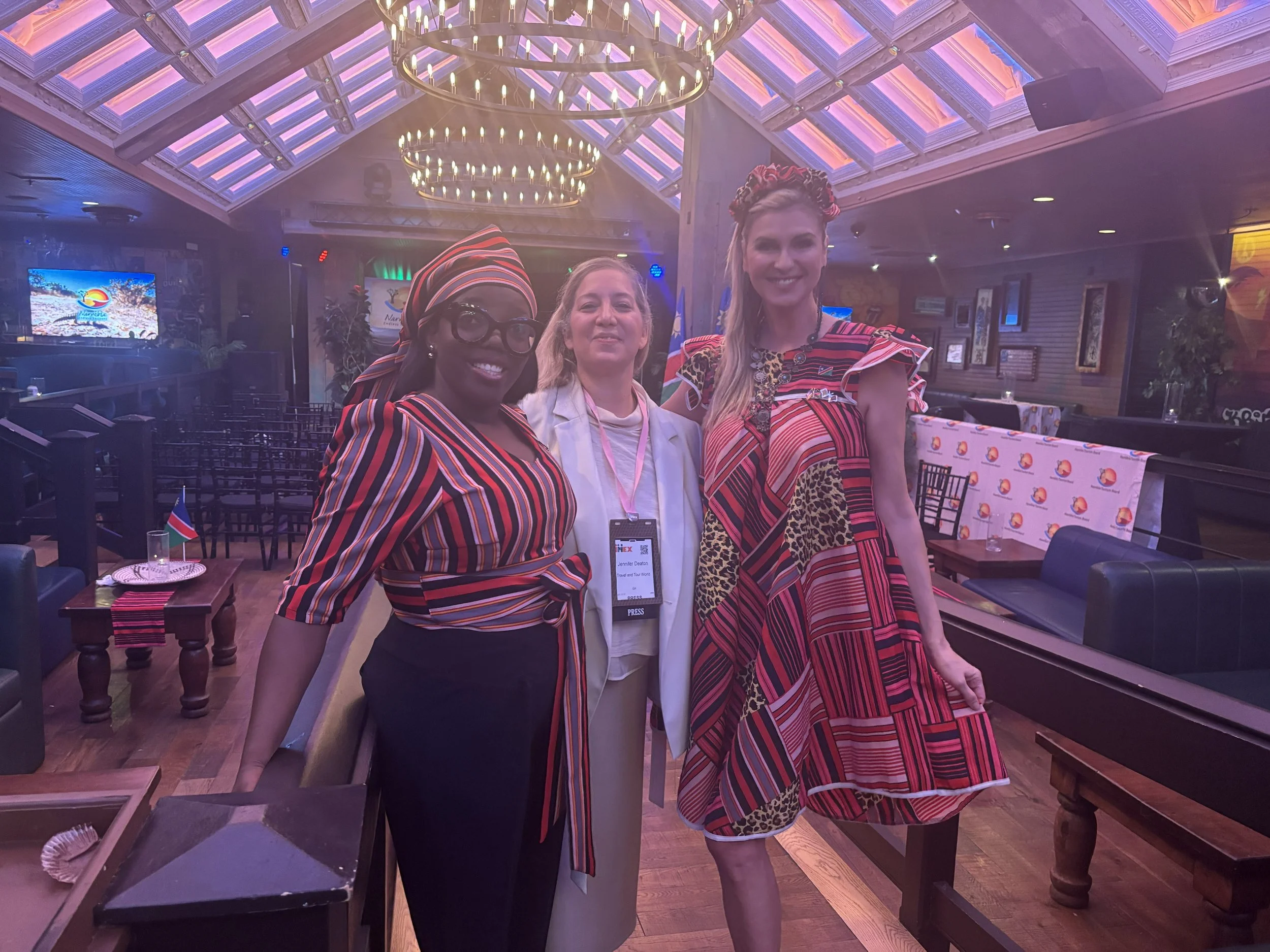
(Las Vegas):Namibia branded itself “Africa’s best-kept secret,” and a distinguished, diverse delegation at IMEX made the case. They sketched a country of rare calm and vast beauty: copper dunes meeting the Atlantic, Deadvlei’s ancient silhouettes, Etosha with abundant wildlife (Big Five included), and starry skies so vivid people assume the photos are AI—until they’re there. It’s strikingly uncrowded, welcoming to adventure travelers and naturalists, to convention delegates and investors, and to high-profile visitors who value privacy.
They also underlined why it works: a stable political environment and a duty-of-care framework—licensed, authenticated guides (unique IDs), regulated operators with site inspections, mandatory public-liability insurance, and first-aid training. Access is straightforward (via South Africa or direct from Germany), and unclogged ports keep group movements and show builds efficient.
Michelle McLean—Miss Universe 1992—opened with poise and purpose, connecting those headline landscapes (dunes, Deadvlei, Etosha, star fields) to a welcome that’s genuinely warm. Her ask was simple: come, invest, and tell fuller stories—beyond the postcard.
Sebulon Chicalu, CEO of the Namibia Tourism Board, offered the operating manual. He walked through the regulated tourism framework and ease of travel, then spotlighted adventure: sandboarding, skydiving, kite-surfing, hiking, rock climbing among granite domes, and kayaking with seal colonies where desert meets sea. The message was clear: the beauty is real, and so are the systems—confidence for visitors, planners, and investors.
Esther Ndilula, Manager of the Namibia Convention Bureau (under NIPDB), drew the room in. She sketched a living portrait of a 35-year-old nation—Land of the Brave, “Africa’s best-kept secret”—proud of a 92% literacy rate, English as the official language, a judiciary grounded in rule-of-law, and leadership recognized for press freedom and narrowing the gender gap. She spoke with pride about women in leadership—the President and Vice President are women, as is Namibia’s Ambassador to the United States; and roughly 51% of Parliament is female. Then she spoke plainly about what still needs work: youth unemployment is high. She offered that truth as an opening, not an endpoint—an invitation to invest in Namibia’s ready young talent, turning potential into work and shared growth.
Windeline Kausiona of Wendy’s Creations embodied business confidence and women’s leadership. Trained in public policy and a former senior advisor, she built a bridge between policy and production to deliver the country’s biggest, most sensitive moments with precision. She’s a household name: trusted for state occasions, cinematic weddings, and complex builds that also train and employ young Namibians. One detail says enough: she was called within an hour of the president’s passing to help plan the state funeral. Her creed—do it exactly right—reads as reassurance and promise.
Lastly, André Bok, CEO of Exhibition & Events Warehouse (EEW), made the case with builder’s pride: end-to-end exhibition builds—from custom floors to turnkey halls and brand displays—moving smoothly through unclogged ports with a professional, hungry production team. Personal, confident: bring the brief; we’ll build the solution—and we want the business for Namibia.
What sealed it was cohesion. The delegation spoke to continuity and stability (a smooth, orderly transition after the loss of a sitting president) and a milestone at the top; they celebrated diversity—“all shades of humanity”—and named the work ahead: turning youth potential into jobs. The ask was straightforward: partner with a country that has the standards, the talent, and the space to grow.
Bottom line: Namibia is the quiet wonder—big nature, real value, serious standards—with room for travelers to breathe and for business to get done. The setting is unforgettable; the welcome is genuine; the proposition is ready. And yes—the night sky really looks like that.