
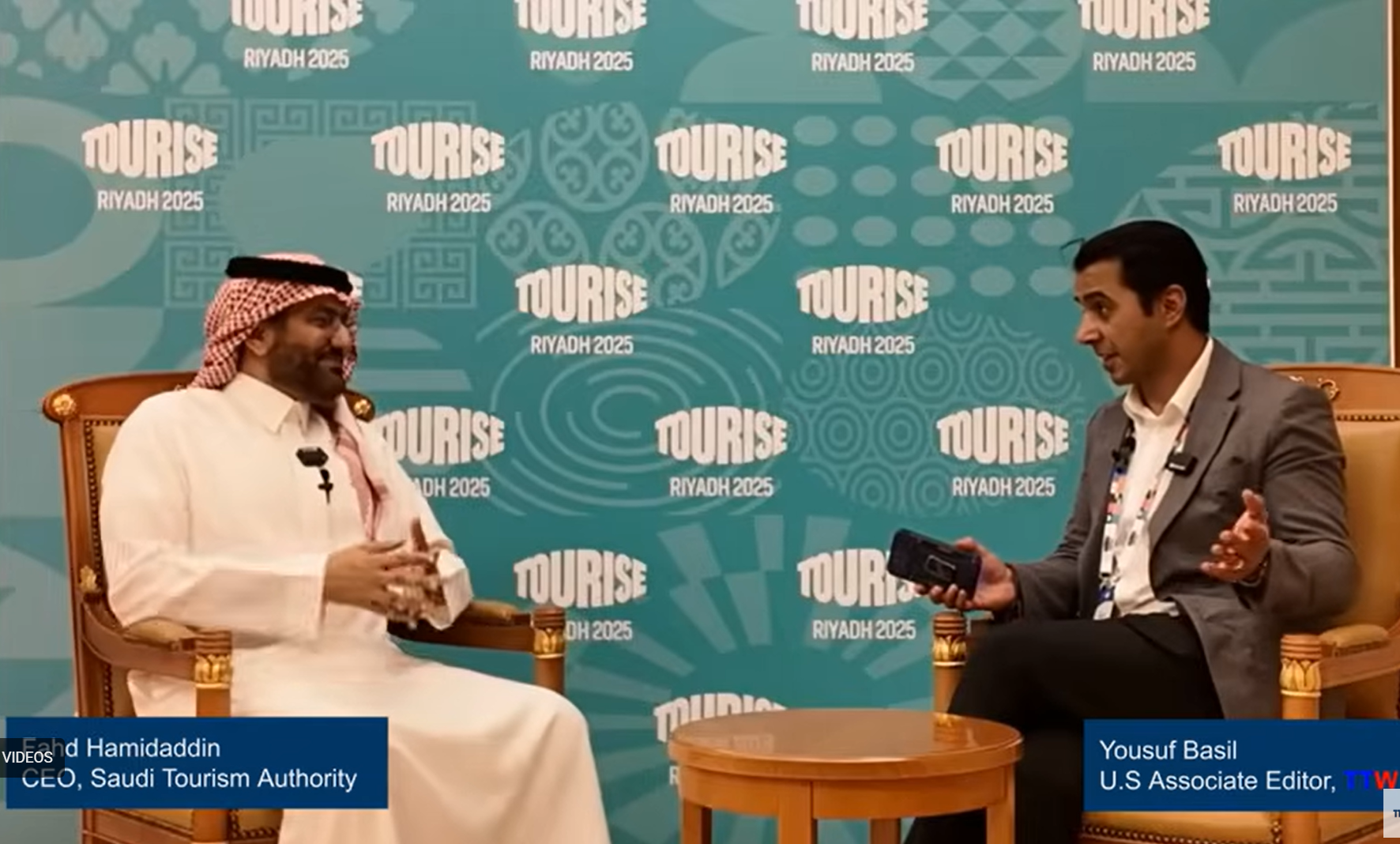
“’Being the World’s Largest Living Laboratory for Tourism’ — Inside Saudi Arabia’s Bold New Strategy”
By Yousuf Basil | Riyadh, Saudi Arabia
From neuroscience to authentic human connection, Fahd Hamidaddin describes how Saudi Arabia is reimagining the traveler experience.
At the inaugural TOURISE Summit 2025 in Riyadh, the mood was unmistakable — confident, energetic, and future-focused. Just days after the United Nations Tourism General Assembly convened in the Gulf region for the first time, Saudi Arabia seized the momentum. TOURISE was more than a gathering; it marked a moment when the Kingdom signaled its intent to lead the next half-century of global tourism.
At the center of this movement stood Fahd Hamidaddin, CEO of the Saudi Tourism Authority — articulating the vision of a new kind of tourism philosophy: one that blends data and empathy, technology and authenticity, ambition and soul.
Beyond Hotels and Holidays: The Consumption Economy
For Hamidaddin, the very definition of tourism is being rewritten. “Tourism,” he said, “is not just your hotel room — it’s everything you do from the moment you plan your trip to the moment you return.”
That ecosystem stretches from visa applications and flights to shopping, sports, entertainment, and mobility. In his view, the tourism economy is a “consumption economy” — vast, interconnected, and capable of uniting industries that have traditionally worked in isolation.
“Our role,” he explained, “is to bring all of them under one roof — policymakers, tech innovators, retailers, mobility providers — so that tourism becomes the common platform for solving challenges and unlocking opportunities that no single sector can achieve alone.”
The Soul of Travel
Hamidaddin described travel as both an economic and deeply emotional experience. “Travel can be a soulful experience,” he said.
To understand that soul, the Saudi Tourism Authority has launched intensive research into why people travel, not just where. “What we mean by that is you go really deep into the underlying reason why people travel before you just think of categorizing them,” he explained. You have to discover why they travel.
He identified three higher-value drivers that motivate travelers:
Connection: “There are groups that are driven by connection,” he said. “I want to go either with my spouse or I want to go with my brothers or the family and kids and my friends for the sake of finding experiences that we will together enjoy and create better connections.”
Achievement: “The second is I want to feel a sense of achievement, and I want to reward myself. I work hard, I earn, and I just want to make sure that I start making it to new places… take pictures of it, tick the bucket lists, and so on.”
Escape & Discovery: “And then you have the rest that want to escape the environment that they’re in and immerse in different places — from cultures to nature — and not just discover other places, but allow those places to help them discover themselves.”
To deepen that understanding, neuroscientists from Oxford University were enlisted to develop the Memory Ability Index, mapping what travelers remember most and why. “We try to map what drives that memorability with each and every segment,” Hamidaddin said. The insights, he explained, are shared with partners to help tailor content and experiences that resonate on an emotional level — turning data into design for more meaningful journeys.
AI = Authenticity and Innovation
Humanizing delight and the unexpected
When asked how Saudi Arabia is preparing its workforce for the future, Hamidaddin said the guiding principle behind its tourism strategy has long been what he calls the AI model — not artificial intelligence, but Authenticity and Innovation.
“We should always balance between the two,” he said, “because what you need is to digitize friction, digitize the expected, but make sure you humanize delight. You humanize the unexpected.”
He emphasized that this balance isn’t about job protection, but about enhancing the traveler experience. By using technology to handle the predictable moments and people to elevate the emotional ones, the goal, he said, is to ensure that “the last mile remains human.”
Hamidaddin describes authenticity as the power to reveal the lesser-known — small villages, neighborhoods, and cultural experiences that connect travelers to the real Saudi Arabia — while innovation drives creativity and technology forward. Yet even in a digital age, he noted, “we all will need that human interaction.”
Saudi Arabia’s Living Laboratory
As the conversation turned to future disruptors — artificial intelligence, shifting demographics, and changing traveler expectations — Hamidaddin’s answer was immediate:
“By one thing,” he said. “Being the global largest living laboratory for tourism.”
That line captured the essence of the summit and the Kingdom’s broader ambition: to make Saudi Arabia a place where ideas are tested, data informs design, and human creativity drives innovation in travel.
A New Confidence
In Riyadh, amid the hum of the TOURISE Summit, that confidence was palpable. For Hamidaddin, “looking forward” is more than a slogan — it’s a mindset. “Trends,” he said, “simply look backward. What you need is to look forward.”
If the UN Tourism meeting set the global agenda, TOURISE showed how that agenda could come to life — through authenticity, innovation, and a shared belief that travel, at its best, helps people not only explore the world, but rediscover themselves.
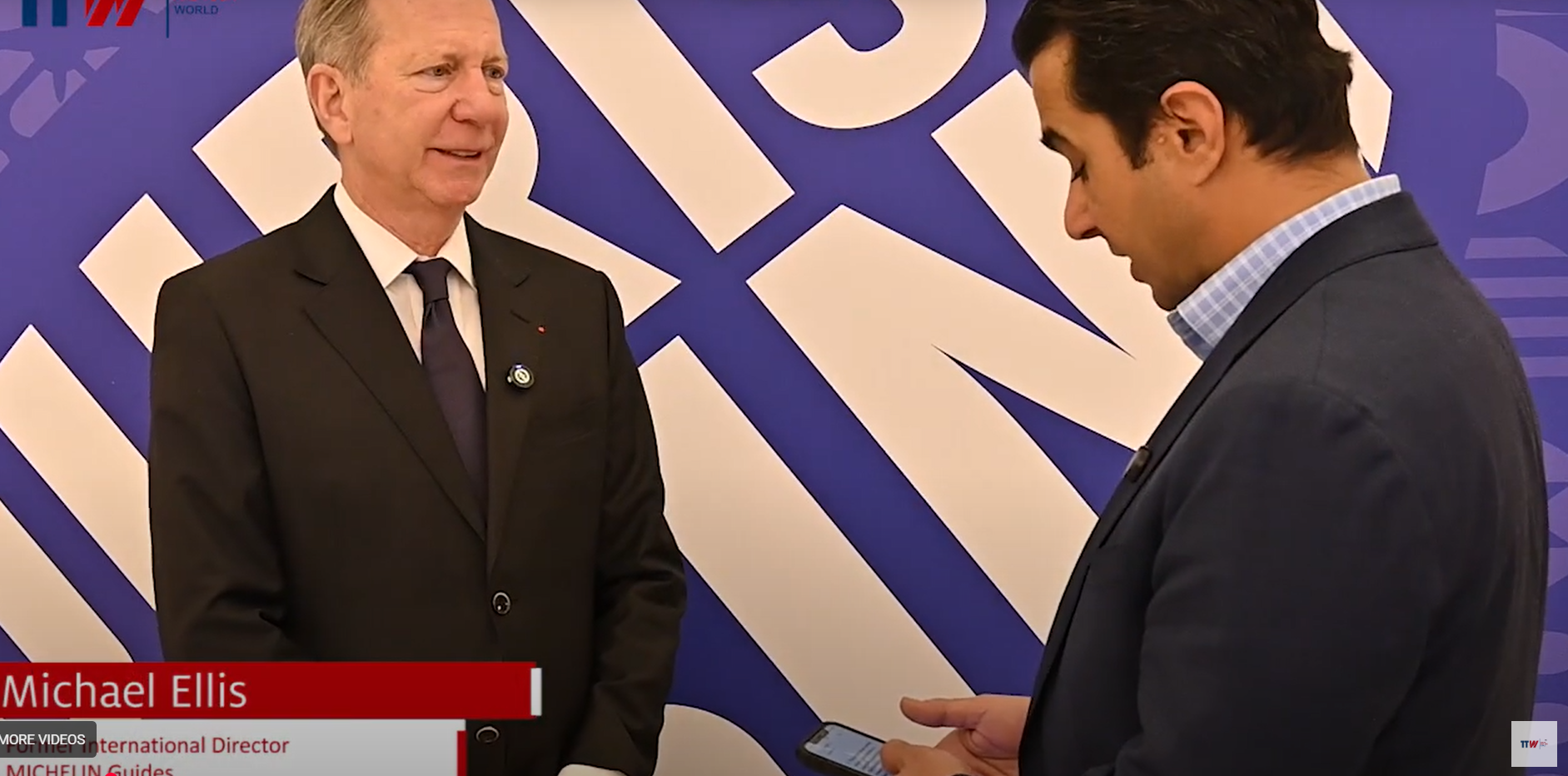
Michelin Guide Expert Michael Ellis: Judging Tourism & Culinary Trends
Michael, former International Director of the Michelin Guide, we explore how the culinary world influences travel destinations and the rising importance of sustainability in tourism. Recorded at TTG Rimini 2025, Michael shares his expertise on judging culinary destinations and discusses how iconic cities like Tokyo and Paris compare with emerging destinations like Ankash in Peru. From the role of food quality, service, and ambiance in choosing the best travel destinations, to the growing trend of farm-to-table dining and sustainable culinary practices, this conversation offers valuable insights for both travel industry professionals and culinary enthusiasts.
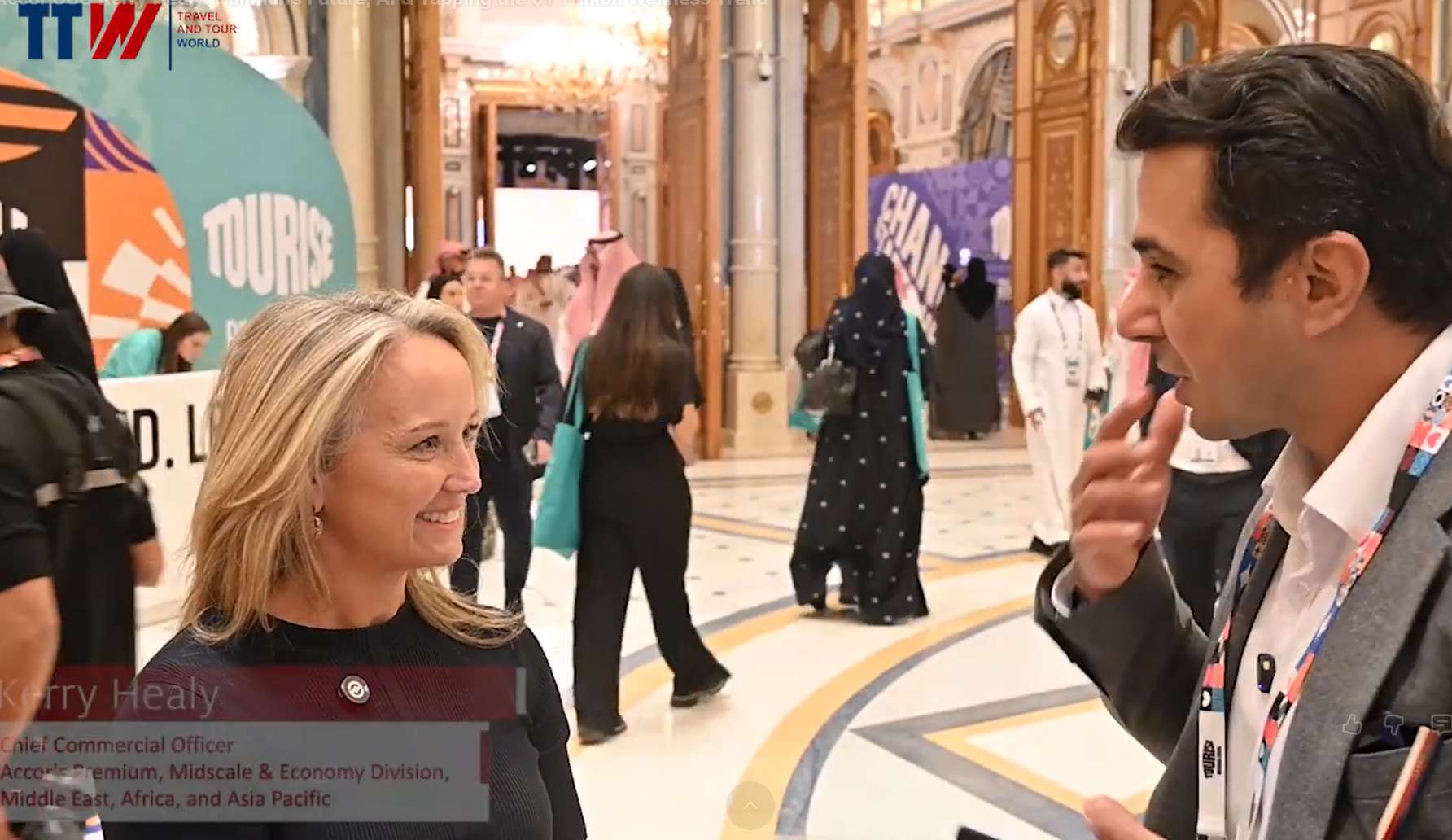
Accor CCO Kerry Healy: Pullman's Future, AI & Tapping the $1 Trillion Wellness Trend
Interview with Kerry Healy, the Chief Commercial Officer for Accor's Premium, Midscale & Economy division in the Middle East, Africa, Turkey & Asia Pacific.
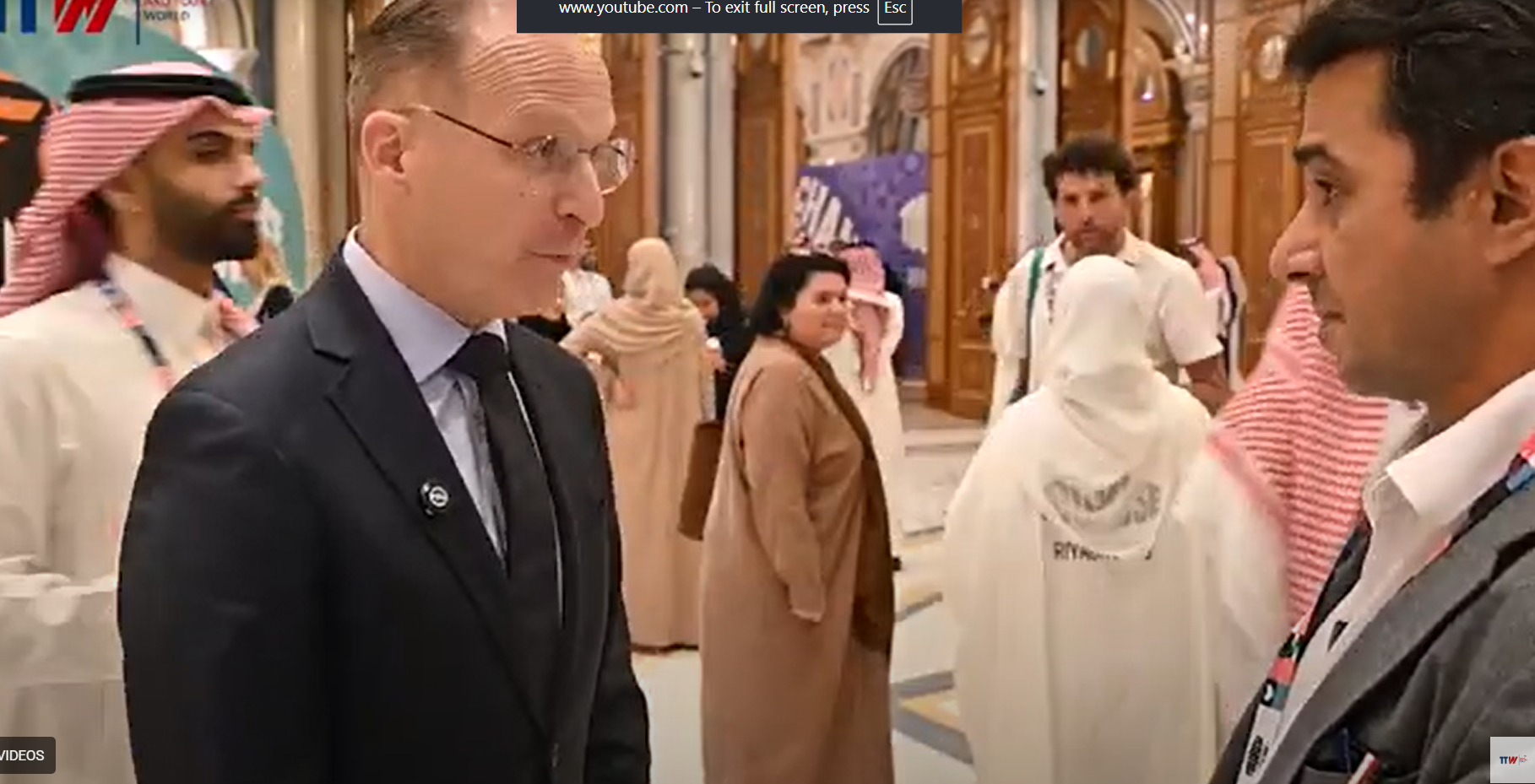
Benoit Racle (Accor): Tapping the Next Generation Traveler & Luxury's $1 Trillion Wellness Trend
Interview with Benoit Racle, ACCOR’s Global Brand President for Premium brands
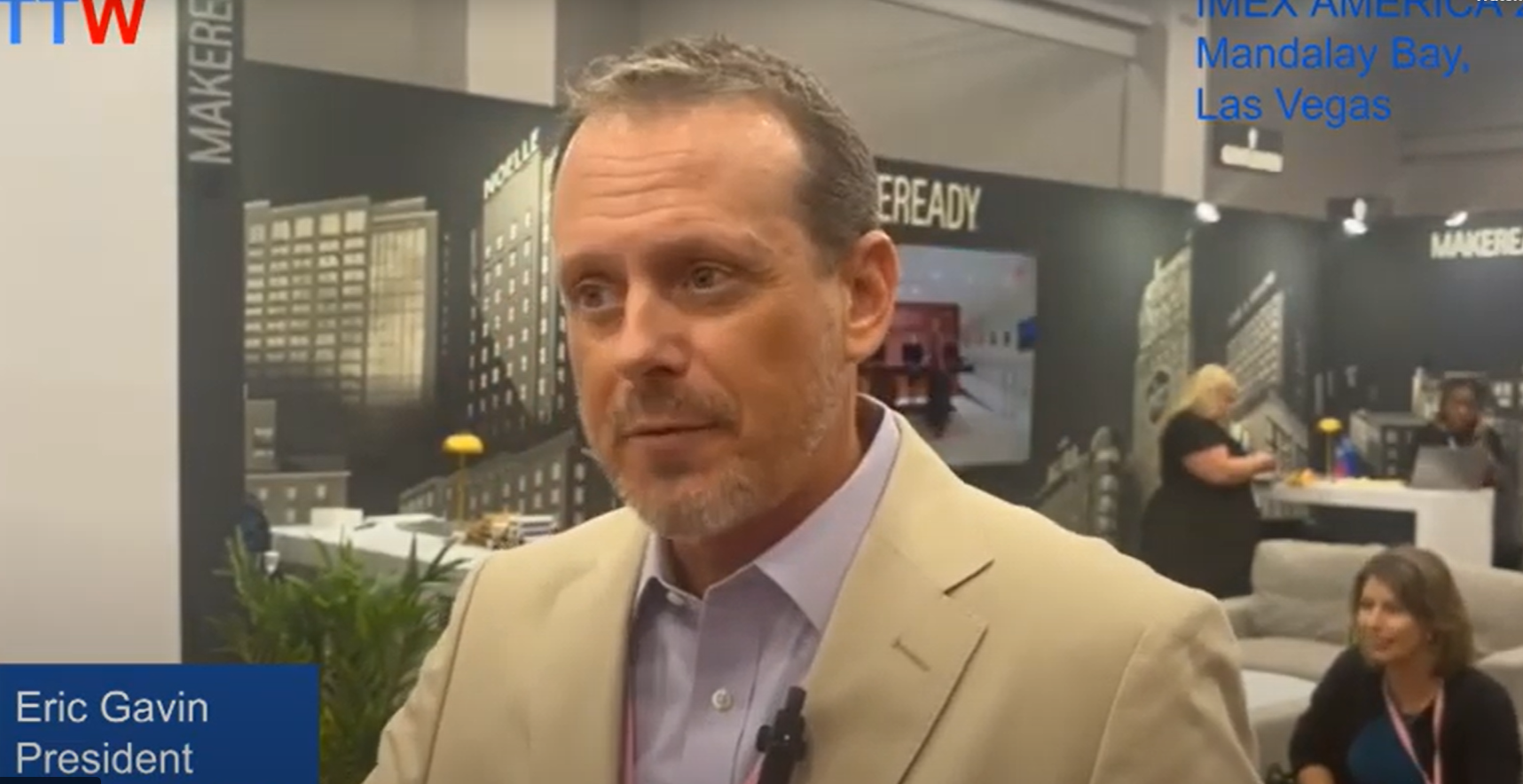
Makeready: Crafting Belonging Through Design, Flavor, and Human Connection
By Yousuf Basil and Jennifer Z. Deaton | Travel and Tour World
(Interview conducted on the sidelines of IMEX America 2025, Las Vegas)
Travel and Tour World sat down with Eric Gavin, President of Operations at Makeready, for an insightful, forward-looking conversation about the brand’s ethos and vision: creating richly immersive stays that feel both curated and luxe. Think rooftops and speakeasies, destination spas, and forward-leaning food & beverage—each space layered with local culture and meticulous design. Gavin’s north star is simple: build quality, foster belonging, and let thoughtful details do the talking.
Immersive by Design
“We’re in the business of hospitality,” Gavin told Travel and Tour World at IMEX America, “and part of that is creating the immersive experiences people are seeking.”
Across the Makeready collection—from rooftop lounges to speakeasies and living-room-style gathering spaces—each detail is intentional, handcrafted to connect people through atmosphere, food, and belonging. The brand’s forward-leaning food-and-beverage philosophy threads through every property, turning each into a self-contained cultural hub.
Icons of Character
When asked which property makes him proudest, Gavin laughs. “As any good parent would say, you can’t have favorites.” But a few destinations clearly light him up: the Emeline in Charleston, a reimagined historic gem that merges Southern charm with modern creativity; the Noelle in Nashville, an immersive hotel and creative gathering place for adventurous people seeking a true Nashville encounter; and The Laylow, Autograph Collection, in Waikiki, which extends Makeready’s reach from urban sanctuaries to full resort destinations.
Each tells a story of transformation—of old bones reborn through fresh vision and contemporary design.
Where They’re Growing Next
Looking ahead, Makeready plans to expand its presence in social clubs—reflecting Gavin’s view that affluent travelers seek places of belonging, adjacent to hospitality—and deepen its footprint in resort destinations, bringing high-touch design to destination spas and the full suite of amenities guests love.
Crossroads, Not Silos
Makeready is doubling down on social clubs and independent restaurants as intentional places of belonging—spaces where today’s affluent traveler can plug into a like-minded community. Think curated coffee bars, freestanding restaurants, and gathering rooms that host mixology classes, book clubs, and chef-led events: communal venues designed as crossroads, not silos. The goal isn’t just to serve guests, but to blend guests with locals—so a business traveler, a college student, and an airline pilot might share the same table and feel equally at home.
Growth Rooted in People
Makeready’s expansion is thoughtful, not hurried. The company recently took over the Clayton Hotel & Social Club in Denver’s Cherry Creek neighborhood and will debut the Greenleigh Hotel in Houston next May—a 300-room property with 15,000 square feet of meeting space, a fifth-floor rooftop oasis, and a celebrity-led restaurant concept. Looking ahead to 2027, the Merchant in Columbus, Ohio, promises to be the city’s first ultra-luxury hotel, complete with a spa, fitness center, social club, and a celebrity chef restaurant on the ground level.
And while growth continues, Gavin remains grounded in what truly sustains hospitality: people. “Our cornerstone are our people, and that is truly hospitality. If you take care of your people, they will take care of your guests, and then you’ve created the perfect recipe.”
In the end, Makeready’s formula is straightforward: start with people, design for immersion, and build places of belonging—so unforgettable experiences follow.
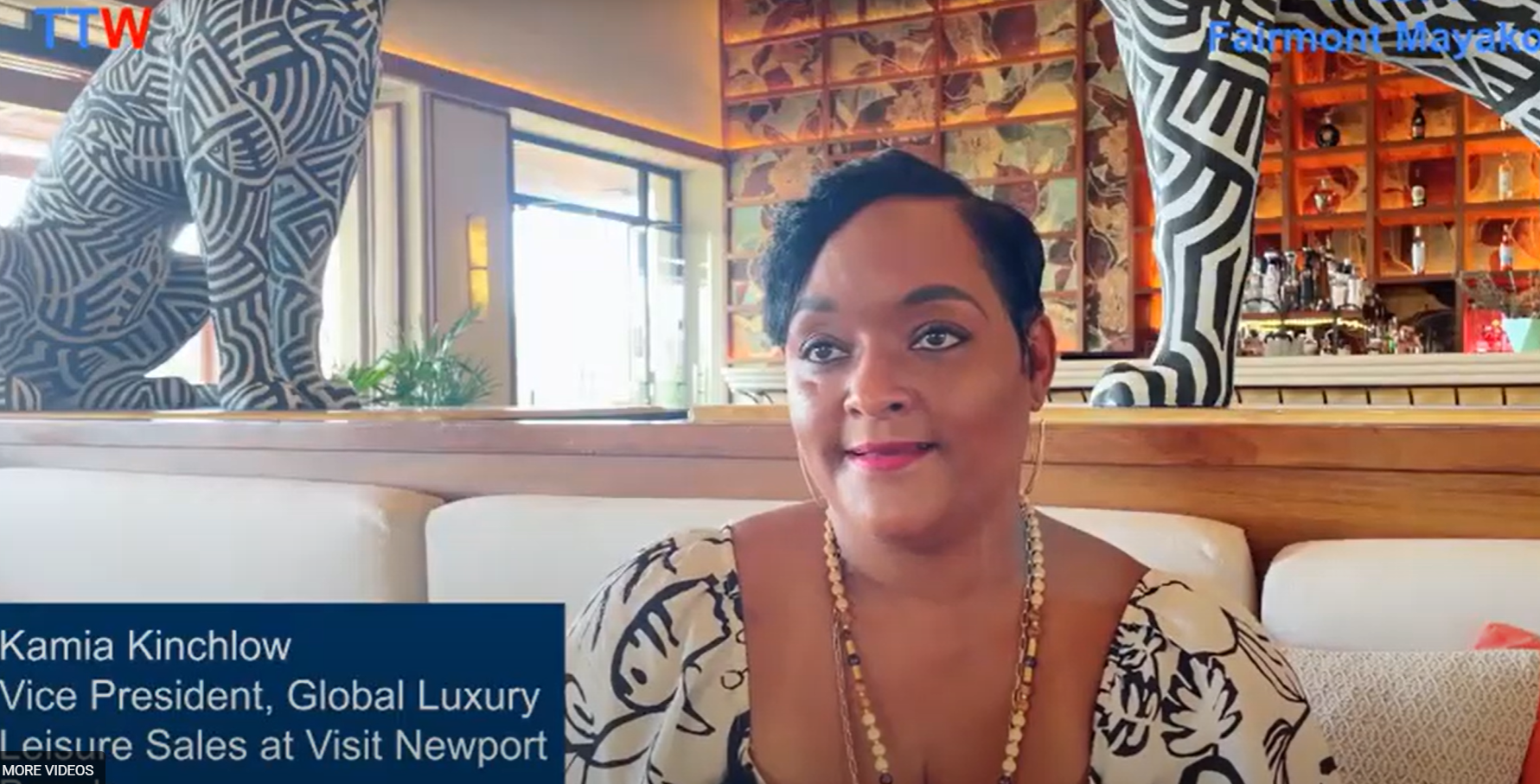
Newport Beach: California’s Coastal Riviera Redefines Luxury Travel
By Yousuf Basil
(Mayakoba, Mexico) When most travelers think of California’s coastline, they picture Malibu’s glitz or Santa Monica’s bustle. But drive just an hour south of Los Angeles, and you’ll find something more refined—Newport Beach, a destination that blends timeless coastal charm with modern, world-class luxury.
At TFest 2025, we caught up with Kamia Kinchlow, Vice President of Global Luxury Leisure Sales for Visit Newport Beach, to explore how this Southern California gem is setting a new standard for bespoke travel experiences.
The California Riviera Reimagined
“Newport Beach has had such an expansion and elevation over the last five years,” Kinchlow explained. “We’re here to showcase our properties that have undergone incredible transformations—and the bespoke experiences that set our destination apart.”
Newport Beach sits along California’s coastal Riviera, a stretch of shoreline where oceanfront living meets effortless sophistication. According to Visit Newport Beach, the destination now offers an ever-evolving portfolio of luxury hotels, Michelin-caliber dining, and distinctly Californian lifestyle experiences—all centered around connection to nature and culture.
A Playground on Water
“Newport Beach is known for being more water than land,” Kinchlow said with a smile. Indeed, it boasts one of the largest recreational harbors on the West Coast, making it a haven for yachting, sailing, and on-the-water luxury.
Travelers can charter private yachts, enjoy sunset harbor cruises, or even book full-day excursions exploring the Pacific—where dolphin sightings and champagne in hand are part of the itinerary.
For those who prefer altitude over ocean, helicopter tours offer panoramic views of the coastline, while curated picnics on secluded beaches complete the picture of California leisure at its most cinematic.
From Sea to Table: Culinary Luxury with a Local Soul
Newport Beach’s culinary scene is one of its most refined pleasures. “Our dining experiences are literally sea-to-table,” Kinchlow said. “They’re not chain restaurants or predictable menus—they’re local, personal, and crafted for experience.”
From ocean-view tasting menus to tucked-away farm-to-table gems like Farmhouse Restaurant at Roger’s Gardens, where diners enjoy fresh, seasonal ingredients in a lush garden setting, the food culture here is rooted in California’s produce, creativity, and sense of place.
It’s not just about flavor—it’s about belonging to the landscape.
Sustainability Meets Style
As global travelers grow more conscious about sustainability, Newport Beach has embraced a philosophy of eco-luxury. “This is a nature-preserved destination,” Kinchlow emphasized. “We want people to experience Newport Beach by foot, by bike, or with their toes in the sand—not behind the wheel.”
The city encourages guests to explore its protected trails, beaches, and harbor sustainably—while its hospitality partners increasingly adopt green practices, from eliminating single-use plastics to incorporating locally sourced, sustainable materials into design and dining.
According to VisitNewportBeach.com, wellness-focused travel is also thriving here, with spa experiences inspired by ocean elements, yoga by the water, and outdoor recreation seamlessly woven into the luxury experience.
The Rise of the High-Net-Worth Traveler
While global leisure travel has fluctuated, Newport Beach has seen a sharp rise in high-net-worth visitors. “It’s not about volume anymore—it’s about value,” said Kinchlow. “Our travelers are staying longer, spending more, and seeking personalized, memorable experiences.”
Over 1 billion in new hotel investments have elevated the city’s hospitality landscape, with resorts and boutique properties offering upgraded suites, private clubs, and bespoke concierge services, businesses are expecting addition $250 million towards expansion to fulfilled by 2027. It’s a reflection of what Kinchlow calls the new definition of luxury: personalization over perfection.
The New Meaning of Luxury
“Luxury isn’t chandeliers and champagne anymore,” she reflected. “It’s the memory of something that can’t be replicated—the personal touches that make people feel seen.”
In Newport Beach, that definition comes alive in every moment: a private harbor cruise under a tangerine sunset, a chef’s table overlooking the Pacific, or a morning yoga class with the salt air drifting through.
It’s luxury as emotion—crafted not for display, but for discovery.
A Perfect Day in Newport Beach
When asked to design the perfect day for her “best friend visiting for the first time,” Kinchlow didn’t hesitate:
“Check into the Pendry Newport Beach—it has live music, entertainment, and a private cabaret club that few know about. Then visit Roger’s Gardens for lunch, a hidden farm-to-table restaurant surrounded by beauty. Finally, end the day with a sunset harbor cruise—cocktails in hand, music playing, and maybe a few dolphins passing by.”
A Destination That Feels Like a Secret
Refined yet approachable, coastal yet cosmopolitan, Newport Beach continues to embody the evolution of modern luxury.
As Kinchlow put it: “It’s not about the things we collect—it’s about the moments that move us.”
And in Newport Beach, those moments are infinite.
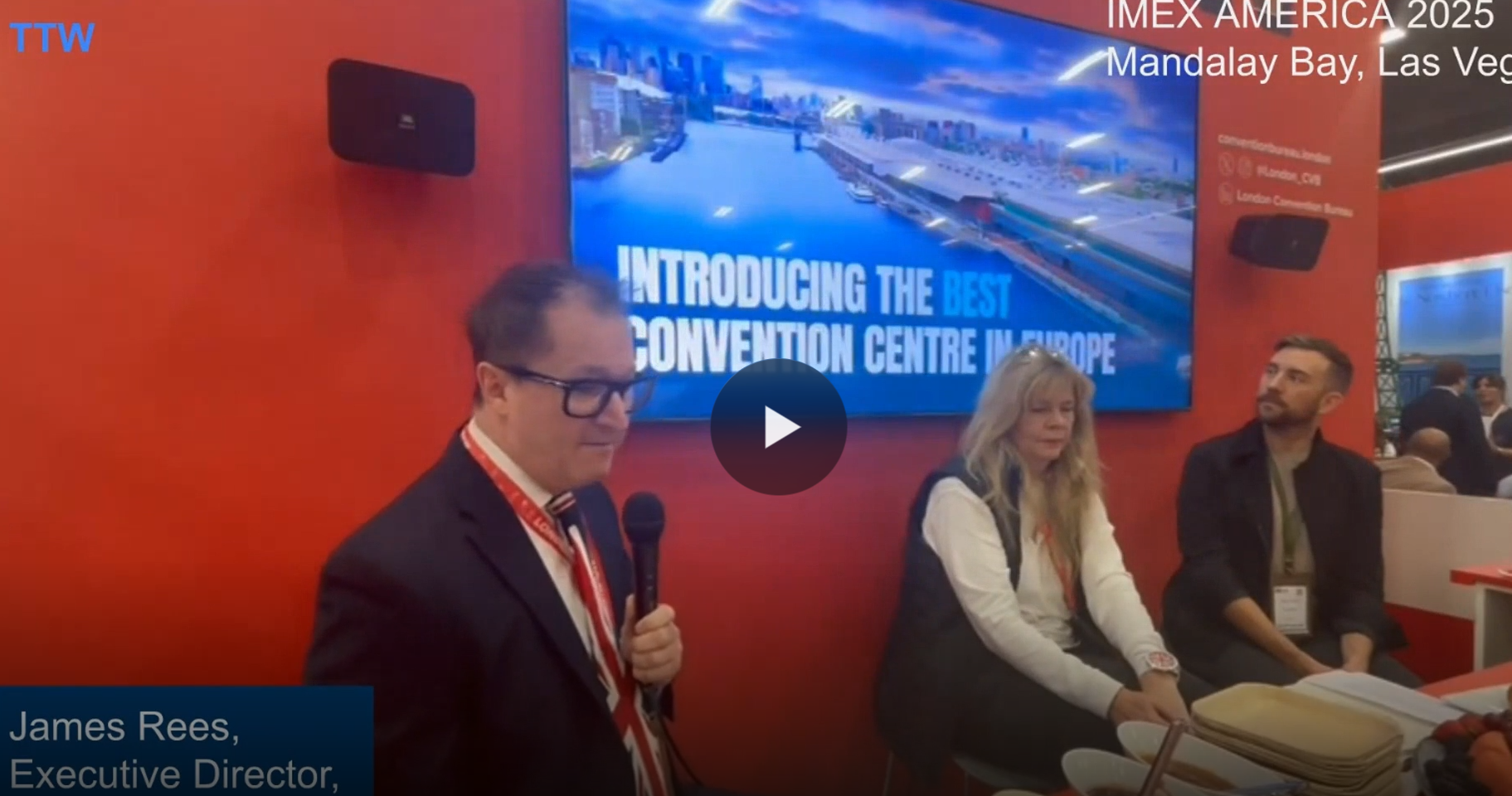
London’s New Crown Jewel”: ExCeL Pairs Big Investment with Planner Priorities
After a $340M expansion—and with the Elizabeth line at its door—Excel London makes a product-first case at IMEX America 2025: sustainability, F&B by design, connectivity, and a waterfront built for activations.
By Yousuf Basil and Jennifer Z. Deaton
LAS VEGAS — “This is what we feel we are: the new jewel in London’s crown… London and Excel have created the best convention center in Europe.” — James Rees, Executive Director, Excel London
The line set the tone. Excel’s IMEX America briefing was less boast than blueprint: a $340 million expansion scaling the venue to ~1.3 million sq. ft. across two levels, plus London’s multibillion-pound Elizabeth line now at Excel’s front door. Together, those investments anchor Excel’s pitch to planners—and its belief that it stands as Europe’s benchmark convention venue, in the gateway to Europe.
Designed around what planners say matters now
Sustainability — non-negotiable.
Excel says the campus is carbon neutral, with a published 2025 Net Zero Transition Plan and a Net Zero by 2045 target. On catering, Compass Group is driving toward Net Zero by 2027, pairing sustainability with healthy, stay-sharp menus that suit long program days.
F&B as a program asset
What used to be “refuel” has become part of experience design. Clients are specifying variety, nutrition, and pacing aligned to sessions so delegates keep their edge.
Connectivity that changes the day
With an Elizabeth line station on the doorstep, Excel is ~15 minutes to the City and ~43–45 minutes direct to Heathrow (LHR), with throughput up to 36,000 delegates per hour across the network. That door-to-door speed is shaping RFP choices.
Scale, light, water
The expansion delivers six contiguous halls below (about 125,000 sq. ft. each) and ~37 flexible rooms above with movable airwalls. High ceilings, extensive daylight, and a ~200-meter waterfront balcony create options—from fresh-air breaks to intimate hosted events. The 180-acre campus layers in hotels, restaurants, and promenades so delegates stay on foot and still feel in London.
Kevin Lang, Director of Global Accounts, Opus: “Scale, daylight, and access in one place—boxes North American shows struggle to tick simultaneously.”
Who’s booking—and why
Excel reports U.S. organizers now represent ~60% of its convention and congress business by value (up from ~37% a year ago), with pipelines and programs spanning Amazon, Google, Microsoft, Salesforce, Gartner, INTA, AAIC and more—tech, enterprise, associations, science. The common thread, leadership said: a venue built around sustainability, F&B quality, and connectivity, in a city delegates already want to visit. Add abundant airlift—read: plenty of nonstop and direct flights—English as the working language, and a strong reputation for safety, and the destination case strengthens further.
Tracy Halliwell, Director of Tourism & Conventions, London: “America is our biggest inbound market. Airlift, language, sector strength—London is an easy yes, and the city’s appeal does the rest.”
Quick facts for planners
Total space: ~1.3M sq. ft. post-expansion
Halls / meeting rooms: 6 contiguous halls; ~37 flexible rooms (upper level, movable airwalls)
Daylight & outdoor: Extensive glazing; ~200 m balcony for breaks or small activations
Transit: Elizabeth line at the door; ~15 min to the City; ~43–45 min to LHR
Throughput: Up to 36,000 delegates/hour on the line
Sustainability: Carbon-neutral campus; Net Zero 2045 target; Compass Group Net Zero 2027 (F&B)
Bottom line: Excel’s case is investment plus fit—greener operations, better food by design, door-to-door speed, and a waterfront venue that gives delegates light, air, and options. For many RFPs, that combination makes the “why London” slide write itself.
Peru, In Full Color: Why Lima—and Beyond—Make a Compelling MICE Bet
From oceanfront capital to world-class cuisine and vast biodiversity, Peru’s “3 Cs” add up to serious meeting momentum—plus what Luis Chang calls its “secret sauce.”
By Yousuf Basil and Jennifer Z. Deaton
From oceanfront capital to world-class cuisine and vast biodiversity, Peru’s “3 Cs” add up to serious meeting momentum—plus what Luis Chang calls its “secret sauce.”
By Yousuf Basil and Jennifer Z. Deaton
LAS VEGAS — Among the kaleidoscope of booths at IMEX, Peru felt like the end of the rainbow—the pot of gold. Warm hosts in traditional Andean dress, jewel-tone textiles everywhere, and at 3 p.m. sharp each afternoon: exquisite small bites and pisco sours that drew lines early. Staff half-joked they had to “guard” the trays so the mini culinary masterpieces didn’t vanish before service even began. At the heart of it all stood Luis Chang, Chief Tourism & Investment Specialist at PROMPERÚ—elegant, deft, and every inch the ambassador for a country where ancient depth meets modern ease, and what he later described as Peru’s “secret sauce.”
The Framework: Chang’s “3 Cs”
Asked why Peru works for incentive and conference travel, Chang distills it to Choice, Closeness, and Comfort.
Choice. “Peru is 5,000 years old,” Chang said. It’s not only the Inca; multiple pre-Columbian civilizations and Spanish colonial heritage make culture and history tangible—from Cusco’s stonework to Lima’s museums. Nature multiplies the options: Pacific coastlines, rainbow-hued mountain vistas, high-Andean lakes (hello, Titicaca), and the Amazon. Adventure scales to any group: paraglide the Malecón, sandboard coastal dunes, kayak with wildlife, or head deep into the rainforest. And cuisine is a pillar—Peru has been named World’s Leading Culinary Destination for 12 years, with Central (World #1 in 2023) and Maido (World #1 in 2025) anchoring Lima’s dining scene.
Closeness. Lima is a true South American hub, with daily directs across the Americas—including six major U.S. gateways—and strong links to Madrid, Amsterdam, and Paris. That lift keeps long-haul fatigue down and makes multi-city itineraries workable for executives and exhibitors.
Comfort. Infrastructure meets the brief. The five-story Lima Convention Center (LCC) seats ≈ 3,500 in its largest hall and ≈ 10,000 across all rooms. On track record, Chang was explicit: “We are very proud to have hosted 3 Asia-Pacific summits… We are very good in hosting summits.” He noted the World Bank and IMF meetings that inaugurated the LCC in 2015: “We had 12,000 people coming to Lima… They enjoyed the hospitality and especially the food.” His takeaway: “We have a lot of experience in the logistics of having big events in Lima.” Hotel depth covers key districts: JW Marriott and Westin (ocean-facing, MICE-oriented), the InterContinental Lima (opened May 2025), Swissôtel San Isidro, and the Sheraton (home to Peru Travel Mart). Beyond the city, Belmond’s Hiram Bingham to Machu Picchu, the Andean Explorer, and Amazon cruises add premium extensions and CSR-ready storylines.
Lima: A Capital That Programs Itself
Few capitals sit right on the Pacific. In Lima, teams can paraglide the cliffs above the Malecón, surf year-round, and wander Barranco’s bohemian galleries by sunset. The Larco Museum compresses millennia into a power hour—perfect context-setting on day one. Evenings pair tasting-menu ambitions with live culture, from national dances and Peruvian paso horses to Danza, a choreographed dinner-show by top local creatives.
Pull-quote: “The secret sauce is talking to people—and leaning into the mysteries.” — Luis Chang
The Close: Personal Highlights—and the “Secret Sauce”
On favorites, Chang smiled and called it “a difficult question.” Yes, Machu Picchu is a must—but he urges planners and travelers to live the history in Cusco: walk the streets, feel the Inca foundations layered with Spanish architecture, and learn the cosmovision of the Andean people—how they relate to Mother Earth. Taste widely (ceviche, Amazon fish, regional specialties) and toast with pisco, Peru’s spirit. But the part that stays? “Whatever you do in Peru, you’ll feel the warmth of the people… The secret sauce is talking to people—and leaning into the mysteries that leave you with questions and wonder,” from the Nazca Lines to the engineering behind ancient sites.
Those mysteries—the architecture, the Amazon, the enduring layers of civilization—give Peru its rare mix of intellect and enchantment. In Chang’s words and demeanor, the message is clear: Peru’s greatest luxury is connection—between people, culture, and place.
Planner Snapshot (Clip-Save)
Primary hub: Lima (LIM); daily directs across the Americas; Europe via MAD/AMS/CDG.
Convention core: LCC five stories; largest hall ≈ 3,500; total ≈ 10,000.
MICE hotels (sample): JW Marriott (Miraflores), Westin, InterContinental (new), Swissôtel (San Isidro), Sheraton.
Signature add-ons: Larco Museum private tours; Barranco arts walk; Hiram Bingham/Andean Explorer; Amazon cruises.
Culinary anchors: Maido (2025 #1) and Central (2023 #1) — reserve early.
Bottom Line: Peru brings the head (infrastructure), the heart (people & culture), and the wow (nature & cuisine). For programs that should feel unlike anywhere else—and run like clockwork—few destinations check as many boxes with this much pleasure between sessions.
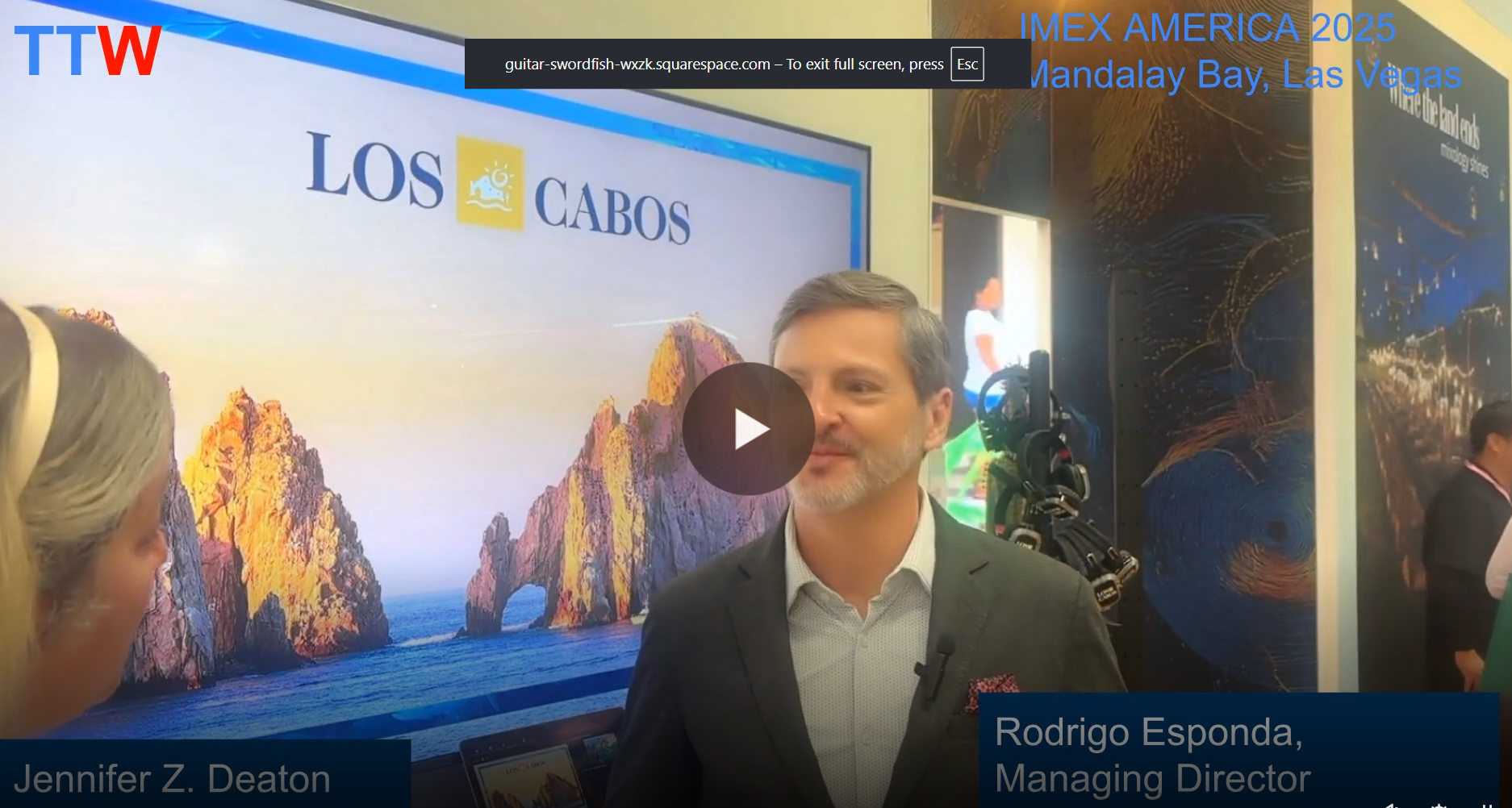
Los Cabos: From Desert to Deep Blue—Luxury, Nature, and Safe, Seamless Meetings
By Yousuf Basil and Jennifer Z. Deaton | Travel and Tour World
(Interview conducted on the sidelines of IMEX America 2025, Las Vegas)
(Las Vegas):The Los Cabos stand paired the destination’s stunning beach-and-mountain imagery with a team whose warmth and energy came wrapped in polish and luxury. The look was confident and high-end: desert meeting deep-blue sea, presented with the kind of refinement planners expect at the top of the market.
At the center was Rodrigo Esponda, Managing Director of the Los Cabos Tourism Board, who shared with Travel and Tour World how this region pairs five-star comfort with marine biodiversity and safety.
Meetings with Meaning
“For Los Cabos, the meetings industry is very important,” Esponda explained. “Ten percent of all booked room nights each year come directly from meetings, incentives, or convention programs.”
According to destination research, 6% of the region’s GDP is directly tied to meetings.
With 95 hotels—averaging about 200 rooms each—Los Cabos is built to host medium-sized groups of 200–300 participants. Esponda said the destination prioritizes “quality over quantity,” adding that with most hotels at ~200 rooms, 200–300-person programs are especially well-suited to Los Cabos.
Connectivity helps: 32 U.S. cities offer nonstop flights to Los Cabos, along with 11 from Canada, a Frankfurt route twice weekly, and new service from Panama launching this November—linking North America, Europe, and South America.
To support planners, Los Cabos runs a certification program for 15 DMCs (Destination Management Companies)—local experts that design and execute group programs, from airport logistics and off-sites to CSR activities and cultural immersion. “It’s a reliable network of professional suppliers,” Esponda said, “combined with strong infrastructure, hospitality, and safety.”
Culture, Cuisine, and Creativity
Beyond logistics, Los Cabos brings a sense of place. “Even the name California originated here,” Esponda noted, reflecting the region’s Spanish colonial roots. Five centuries of influence inform local art, music, and design.
The table tells the story, too. “We have a unique cuisine, mostly seafood-based,” he said. “There are many endemic species you can only find in the Sea of Cortés.” Despite the arid landscape, the valleys near the Sierra de la Laguna are fertile, making Los Cabos Mexico’s leading producer of organic vegetables.
Chefs from around the world have flocked here for three decades, building a scene that rivals the nation’s best. Since the Michelin Guide arrived in Mexico, 21 Los Cabos restaurants earned ratings—only seven are inside hotels. “The best is outside,” Esponda smiled. The absence of rigid culinary “rules” invites experimentation: local seafood, organic produce, and global technique.
Nature and Regeneration
Asked for a favorite place, Esponda didn’t hesitate: Cabo Pulmo National Park.
“It’s one of the most interesting examples of conservation and regeneration in the world,” he said. “The Sea of Cortés holds about 30% of the planet’s marine life. To dive or snorkel among reefs, rays, dolphins, and sharks—it’s unforgettable.” For Esponda, Cabo Pulmo is a living example of sustainable tourism, where community, conservation, and commerce coexist.
Positioned for the Future
Under Esponda’s stewardship, the Los Cabos Tourism Board has balanced private-sector innovation with transparent public funding—elevating value per visitor, not just volume. The result: a destination that couples five-star hotels and Michelin-recognized dining with world-class biodiversity, reliable safety, and planner-friendly infrastructure.
From desert trails and mountain backdrops to the deep-blue Sea of Cortés, Los Cabos offers programs that work on paper—and resonate in memory. As Esponda emphasized, the destination brings the infrastructure, hospitality, safety, and creativity—above all, a place that moves people to come, and to return.